
Did you know? Many landowners experience delays due to incomplete or misfiled permit applications, though the frequency varies by location and project complexity. This highlights why understanding and navigating building permits for raw land is essential if you want to avoid costly hold-ups with your building project. In this comprehensive guide, we’ll outline practical steps that may help improve the efficiency of your permit approval process, helping you better prepare for the permitting process and reduce potential delays.
Unlock the Secrets: Why Building Permits for Raw Land Are Essential
When planning to develop raw land, obtaining the correct building permits is more than a legal requirement. It’s your gateway to ensuring the safety, value, and long-term viability of your property. Without these permits, you risk serious setbacks such as stop-work orders, fines, and even forced removal of structures. For those building a house on raw land, permits help demonstrate that proposed construction has been reviewed for compliance with local zoning and building codes, though buyers must separately verify boundaries, easements, and utility access.
“Did you know? Nearly 60% of new landowners encounter delays due to incomplete or misfiled permit applications.”
Securing a building permit also signals to lenders and insurers that your construction is above board, a critical step if you ever plan to sell, refinance, or insure the property. Skipping permits can lead to delays, fines, or required corrections, depending on local enforcement and project scope. Taking these steps shows you’re not just following the law; you’re future-proofing both your property and your peace of mind.
What You’ll Learn About Building Permits for Raw Land
-
Step-by-step process for securing building permits for raw land
-
How local zoning and surveys impact permit approval
-
Essential documents for building permits for raw land
-
Top risks of skipping required building permits
-
Practical tips for quick approval
Understanding Raw Land and Its Development Potential

What Is Raw Land? Defining the Essentials
Raw land generally refers to property with little to no infrastructure, utilities, or buildings, though conditions vary by parcel. Unlike improved lots, undeveloped land generally lacks roads, water lines, or electrical connections. Investing in raw land may offer flexibility depending on zoning, access, environmental conditions, and feasibility for development. However, purchasing such property requires a deeper understanding of requirements for site plans, soil tests, and adherence to zoning laws. Local government regulations determine what can be built and how the land may be used, which means early research into these codes is critical. Assessing access roads, proximity to public water or septic systems, and compliance with setbacks should all factor into your land acquisition strategy.
Before you start building a house or even clearing land, you must consider the property boundaries and obtain a land survey. These clarify property lines and protect you from disputes. Ultimately, developing raw land requires careful planning to convert its natural state into a residential plot, agricultural site, or commercial location while maintaining full compliance with building codes and permit regulations.
Is Raw Land Considered Property?
Yes, raw land is legally considered property. Whether you’re a first-time landowner or a seasoned investor, purchasing raw, undeveloped land grants you all the rights and responsibilities associated with property ownership. This means you must pay property taxes, maintain compliance with local zoning and building authority rules, and address issues like land surveys and title records. Importantly, owning raw land does not automatically grant permission to build; you must still follow local building codes and the building permit process before starting any development or construction.
Even if your raw land appears suitable for a new home, factors like soil conditions, flood zones, and other environmental restrictions can impact what is possible. Consider conducting a land survey immediately after purchasing, and review your property deed and any existing easements or property line agreements. This helps prevent disputes and ensures you’re clear to begin land development in full compliance with regulations.
Key Steps to Securing Building Permits for Raw Land
Step 1: Researching Local Zoning and Building Permit Requirements

Before submitting for building permits for raw land, it’s crucial to understand the local zoning rules and permit requirements. Zoning laws dictate the types of structures allowed, setbacks from property lines, and how the property may be used. Some regions have detailed building codes, specifying everything from maximum building heights to environmental impact assessments. Start by visiting your local building authority or zoning office to review all requirements for your parcel. Don’t rely solely on online summaries. Regulations can change, and staff can help clarify any gray areas regarding your intended use (such as residential, agricultural, or commercial).
Neglecting this research risks investing time and money in a project only to find it’s not approved for your land type. Ask for a written summary of all applicable codes and make notes regarding conditional permits, variances, or exceptions. By fully understanding your zoning and building permit requirements from the outset, you set a smooth path for your land purchase, site plan, and eventual construction.
Step 2: Conducting a Land Survey for Your Building Permit Application
A professional land survey is a foundation for obtaining a building permit and developing a house on raw land. This detailed survey defines property lines, highlights easements, and may identify existing rights-of-way, helping avoid boundary disputes with neighbors or the municipality. Most local governments require a boundary or topographic survey, though specific requirements vary by jurisdiction.
A land survey helps define boundaries and constraints, while utility availability and access must be separately verified with providers and local authorities. When submitting to the local building authority, ensure the surveyor’s stamp and date are visible on your documents. If your land survey uncovers issues, address them early before submitting plans. This step streamlines your approval process and helps ensure your site plans are accepted without delay.
Step 3: Completing a Site Plan and Land Preparation Checklist

Next, create a site plan that visually details your intended building footprint, access ways, septic system placement, and utility routes. Site plans must highlight key property lines, setbacks, easements, topographical features, and how your new structure interacts with existing natural or built elements. Many local building codes require clearly marked locations for driveways, septic systems, and potential water lines. Using an architect or designer familiar with your local building authority’s preferences can make a huge difference in approval timelines.
In addition to the site plan, prepare a land preparation checklist. Identify trees or brush to be cleared, plan stormwater management, and confirm soil grading plans. This document is often submitted with your building permit application and demonstrates you’ve considered both environmental and practical factors for your building site. Double-check that your plans align with all zoning laws and include the results of your land survey for a complete packet.
Step 4: Soil Test – A Critical Part of the Building Permit Process
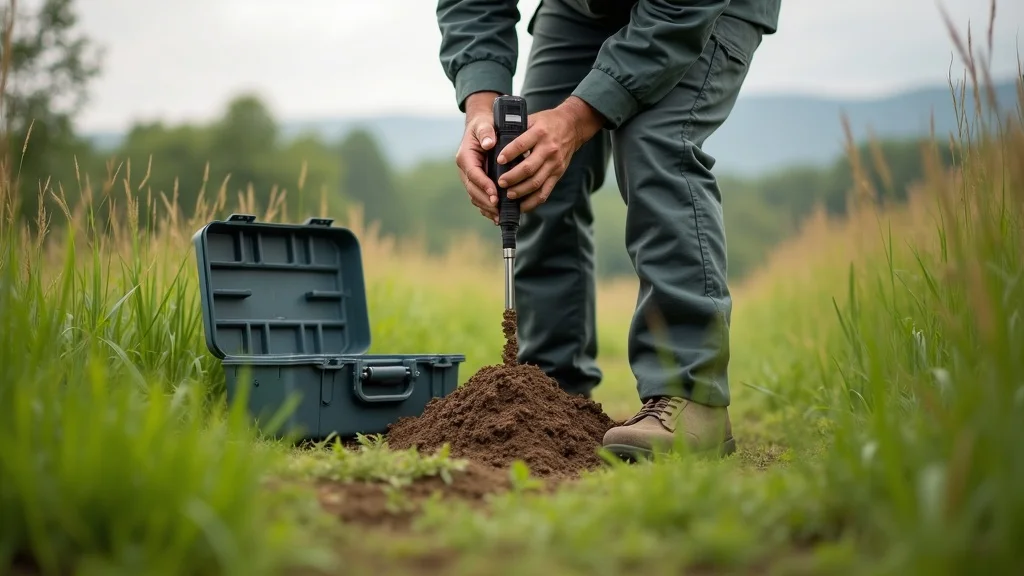
A soil test is often required for certain permits, especially where septic systems or structural considerations are involved, depending on local regulations. These tests determine the land’s suitability for construction, helping you avoid challenges such as unstable ground or drainage problems. For properties requiring a septic system, specific soil tests identify whether the land can support one or if additional treatment systems are necessary. Hiring a licensed geotechnical engineer or environmental technician ensures your soil test meets all local building regulations.
The soil test report should be submitted as part of your building permit packet, alongside the site plan and land survey. In some cases, multiple soil tests are needed for larger properties or when building a house on sloped or flood-prone sites. Start this process early to avoid delays that could push back the rest of your land development timeline.
Step 5: Submitting Your Building Permit Application
Once all documents are complete, submit your building permit application to your local building authority. Include your up-to-date land survey, site plan, soil test results, and any required architectural drawings. Ensure each form is fully filled and correctly signed to prevent paperwork-related hold-ups. Many offices now offer online submission portals, but check for in-person or mail-only requirements in your jurisdiction.
After submitting, you may need to pay a filing fee and participate in a follow-up site inspection. Keep a copy of everything for your records and be ready to answer questions from the building authority. If any part of your packet is missing, your application goes to the bottom of the review pile, costing you valuable time. To improve your chances of fast approval, proactively communicate with permitting staff and quickly address any requests for revision.
Overview Table:
Steps, Required Documents, and Who to Contact for Building Permits for Raw Land
|
Step |
Required Documents |
Who to Contact |
|---|---|---|
|
Research Local Zoning |
Zoning maps, land use regulations |
Local zoning office, municipal clerk |
|
Land Survey |
Certified boundary/topographical survey |
Licensed surveyor, county assessor |
|
Site Plan Preparation |
Architectural drawings, site plan map |
Architect, designer, building authority |
|
Soil Test |
Engineer or technician’s soil report |
Environmental specialist, health dept. |
|
Permit Submission |
Application form, all previous docs, fee |
Local building authority, county office |
People Also Ask: Building Permits for Raw Land
What are the steps to building on raw land?
Building on raw land involves several key steps: researching zoning laws and local regulations, conducting a detailed land survey, preparing a site plan, and completing all necessary land clearing and soil tests. After gathering the required documents, submit a building permit application to your local building authority. Once permits are approved, you can begin developing utility access, grading, and eventually constructing your home or structure. Each phase ensures compliance with building codes, protecting your investment and streamlining construction on undeveloped land.
What requires a building permit in South Carolina?
In South Carolina, permit requirements are typically set at the county or municipal level, and many forms of new construction require permits. Requirements for activities like land clearing vary by jurisdiction, so check with the local authority. You also need permits for major renovations, installing septic systems, or connecting to public water supplies. Local building codes may differ by county or city, so always check with your area’s building authority to ensure you meet all requirements before starting any land development or construction site work.
What are the risks of unpermitted work?
Performing building or land development without proper permits puts you at significant risk. Common consequences include stop-work orders, forced demolition, legal action, or hefty fines from the local government. Unpermitted work may void homeowner’s insurance policies and can create costly legal disputes during resale, especially if new buyers uncover code violations. To protect your real estate investment and ensure your house on raw land remains compliant, always follow the full permit process from the outset.
Essential Requirements for Building Permits for Raw Land
Local Zoning, Setbacks, and Land Use Regulations
Every building permit process for raw land hinges on local zoning laws, which regulate land use, setbacks from property lines, and density limitations. Zoning affects whether you can build single-family homes, multi-units, or undertake commercial development. Setbacks, which define how close your structure can be to the edge of your property, play a crucial role in site planning. Ignoring these regulations can cause your application to be denied or force costly redesigns.
It’s best to clarify these rules with the planning department or zoning office before preparing any site plan or schedule for land clearing. Clarifying local building codes, fire regulations, and environmental protection laws early in your project timeline saves you from expensive mistakes and keeps your building permit application on the fast track.
Site Plan and Architectural Drawings
A detailed site plan and professional architectural drawings are usually required for any significant building permit application on raw land. These documents display building dimensions, orientation, setbacks, access roads, and all other developed features relative to property lines and utilities. The site plan should incorporate results from your land survey and outline proposed septic systems, drainage solutions, and landscaping.
For complex land development projects or larger houses, architectural drawings must comply with both local and state building codes. Check with your building authority for digital submission preferences or specific file formats, and always use a licensed professional for your plans to avoid errors that can cost time.

Land Survey and Soil Test Documentation
Both an up-to-date land survey and comprehensive soil test results are essential supporting documents for your permit application. The survey establishes accurate property lines and ensures your site plan is based on real measurements, not just assumptions. Soil tests verify ground stability, drainage, and septic system suitability, satisfying the building authority and eliminating guesswork during construction or land clearing.
Be sure all surveys and test reports are clearly marked, signed, and, when required, sealed by licensed professionals. Missing, outdated, or incomplete documentation is a common reason for permitting delays, even when everything else in your application is solid.
How to Prepare Your Raw Land: From Land Clearing to Site Plan
Land Clearing for Building Permits on Raw Land
Before performing any land clearing, check local regulations. Some jurisdictions require permits or approvals before clearing begins. Clearing raw land can involve small machinery or manual labor and, in many cases, must comply with environmental regulations designed to protect waterways and soil.
Documenting the land clearing process may be helpful for records, but specific documentation requirements should be confirmed with the local authority. Track all debris removal and erosion control measures, particularly if your land is sloped or near wetlands. This attention to detail can prevent last-minute permit snags and shows a commitment to sustainable land development practices.
Land Development and Utility Access Overview
Land development for a new home or outbuilding often includes installing or extending access roads, connecting to public water lines, or conducting tests for suitable septic system locations. Many raw land parcels require additional grading or fill to support future construction. Coordinate with utility companies and your architect early to map out these services on your site plan.
Planning utility routes and access points early may help reduce unexpected costs, though expenses vary by site conditions and location. If public utilities aren’t available, you’ll need alternative plans, like wells or off-grid power, that must still conform to building and health codes. Planning these details ahead of time keeps your building schedule on track.
Common Challenges and Solutions in Permits for a House on Raw Land
Delays in Land Survey or Soil Test Results
One of the most common obstacles in obtaining building permits for raw land is unexpected delays with the land survey or soil test. Surveyors may encounter access issues, weather delays, or need to resolve previous survey discrepancies. Soil tests can take longer if environmental specialists discover drainage problems, unstable soil, or contamination. These delays can push your permit application back by weeks or months, especially if corrective work is needed.
Minimize delays by booking surveyors and technicians early, providing full site access, and confirming their credentials. Respond quickly to any follow-up questions, and keep copies of all reports to streamline communication with the building authority. Thorough preparation can improve the likelihood of a smoother permit review process, though approval depends on compliance with local regulations.
Overcoming Local Zoning and Environmental Restrictions
Zoning laws and environmental regulations can affect permit timelines and requirements, depending on the property and intended use. In some areas, setbacks, protected habitat zones, or special overlay districts limit how and where you can build. If your project falls within such a zone, you may need a zoning variance or special permit, which adds steps and time to your application process.
The best approach is to work with an experienced local architect or land use consultant familiar with the permitting department’s process for exceptions. Submit all requested documentation in full and maintain open communication with both the zoning and building authorities. This proactive approach may help you navigate constraints and improve your chances of moving your project forward.
Expert Tips to Expedite Building Permits for Raw Land
-
Double-check application packets for completeness – Avoid rejections by reviewing every requirement before submission.
-
Use licensed professionals for surveys and soil tests – Their certifications add credibility and speed up approvals.
-
Engage early with local zoning officials – Build rapport and clarify specific code nuances relevant to your project.
-
Follow up proactively after submitting applications – Stay in touch with the permit office to address any paperwork issues fast.
FAQs: Building Permits for Raw Land
-
How long does it take to get building permits for raw land?
The timeline varies by location, but permit approvals typically take anywhere from a few weeks to several months. Delays commonly result from missing documents, required site revisions, or extended review periods for complex projects. Early preparation and complete submissions are key to a fast response. -
Can permits be denied for building on raw land?
Yes, your application can be denied if the site plan violates zoning rules, if documents are incomplete, or if soil or survey results are unsatisfactory. Work closely with professionals and zoning staff to improve your chances of approval on the first try. -
Are there exemptions to building permit requirements?
Most counties and municipalities require permits for new builds, but minor projects like small sheds or agricultural fencing may be exempt. Always confirm with your local building authority, as unpermitted work can lead to huge penalties.
Key Takeaways – Fast-Track Your Building Permits for Raw Land
-
Thorough preparation is key to building permit approval on raw land.
-
Compliance with local zoning and land surveys prevents costly delays.
-
Address permit requirements early to build your house on raw land efficiently.
Ready to Build? View Available Properties atGovernmentAuction.com
This is your opportunity to put your knowledge to the test. View available raw land now and take the first step toward a fast, successful permit approval.