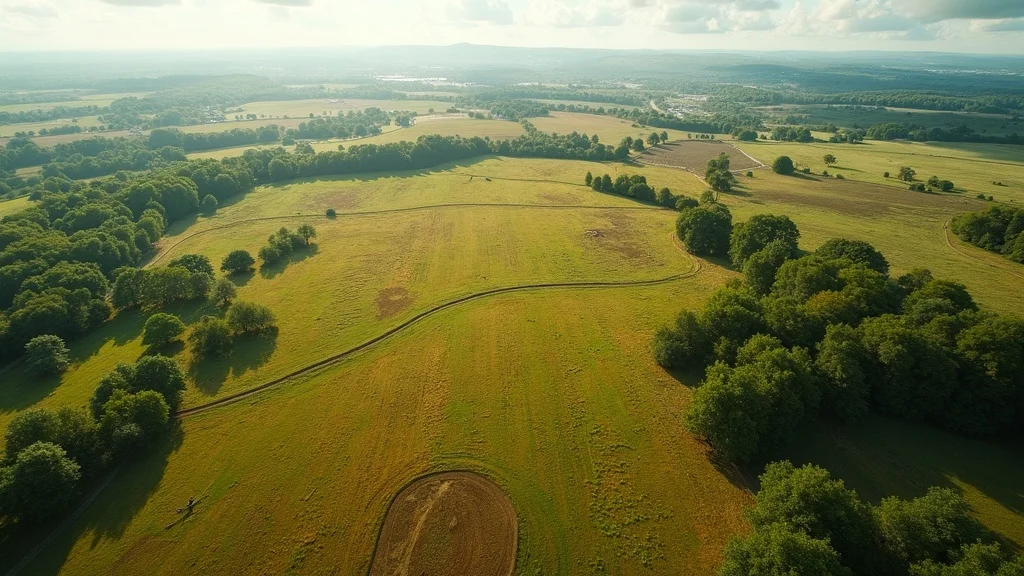
Did you know that many U. S. households aren’t connected to municipal sewers? Septic systems, often overlooked, are essential for millions living on rural and raw land. If you’re planning to build outside city limits, understanding your septic system options can affect building feasibility, permitting requirements, and long-term maintenance costs.
Why Raw Land Septic System Options Matter: A Surprising Look at Rural Sanitation
“A surprising number of U.S. households are not served by municipal sewers, making septic systems a critical infrastructure for millions.”
For anyone dreaming of a home surrounded by nature or embarking on rural development, the question of sanitation quickly comes to the forefront. Unlike urban zones with sewer access, raw land buyers must choose from several raw land septic system options to safely and effectively treat wastewater. Your selection may influence environmental impact, maintenance requirements, and buyer perception during resale. This makes understanding the ins and outs of septic systems essential for anyone considering rural property development.
Installing the right septic system means considering your soil type, water table, budget, and long-term goals. The sheer variety in types of septic systems, from basic septic tanks and drain fields to alternative mound systems and sand filters, means there’s no one-size-fits-all answer. Understanding your options may help reduce unexpected costs and permitting issues later in the process.

What You’ll Learn About Raw Land Septic System Options
-
How to assess your raw land for septic suitability
-
Comparison of common and alternative septic systems for raw land
-
Understanding drain field and sand mound solutions
-
Step-by-step guide to installation and permitting
-
Key maintenance tips for long-term septic health
Understanding Septic Systems for Raw Land
Raw Land Septic System Options: Definitions and Core Concepts
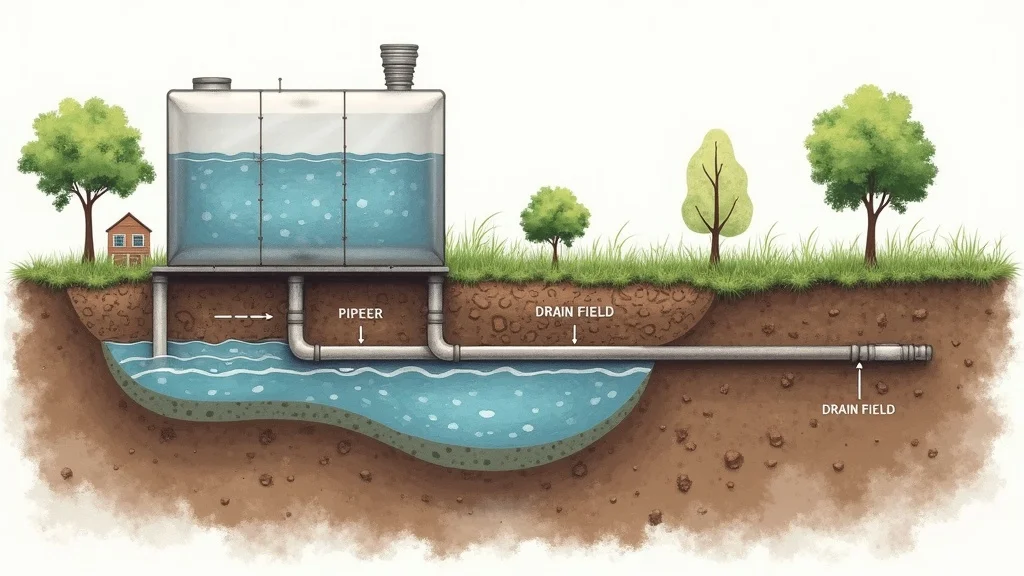
At its core, a raw land septic system is designed to treat household wastewater in places where there’s no access to a city sewer. Septic systems use a combination of a treatment tank (typically called a septic tank) and some form of soil absorption or drain field, where treated wastewater is returned safely to the environment. In a typical setup, solids settle within the tank, and the remaining liquid (effluent) disperses through pipes into the soil for natural filtration. What’s important to remember, especially for raw land, is that system design must match your land’s unique qualities, like its soil type, topography, and the proximity of the water table.
Not all septic systems are created equal. There are conventional septic systems (using a gravity-fed tank and leach field), alternative systems such as mound systems, and newer options like aerobic treatment units. Each of these types of septic systems has specific benefits, maintenance demands, permitting requirements, and suitability criteria depending on site conditions and regulations in your area. By understanding the basics, you’ll be better prepared to pick the right approach and avoid problems down the road.
How Soil and Percolation Influence Your Raw Land Septic System Options
One important factor to evaluate is whether the soil passes a percolation test, along with other site conditions and local code requirements. “Perking” is shorthand for percolation, meaning how easily water passes through your soil. A percolation test (or “perc test”) will help you determine whether a conventional septic system will work, which is often the most affordable and straightforward option. The soil’s ability to absorb water safely is crucial, as unsuitable soil can lead to system failure or contamination. For instance, heavy clay soils may not drain well, while sandy soils could let wastewater travel too quickly, risking groundwater contamination.
If your land has suitable soil and a low water table, your site may qualify for a conventional system, subject to local regulations and professional evaluation. But if conditions aren’t ideal, such as rocky terrain, high water tables, or poor percolation, alternative options like mound systems, sand mounds, or sand filters may be required. These systems are engineered to ensure that even challenging lots receive safe, code-compliant wastewater treatment, helping support compliance with wastewater treatment and environmental standards.
The Role of Drain Field and Sand Filter in Your Raw Land Septic System
The drain field is a key component of wastewater treatment within a septic system. After solids settle in the septic tank, the filtered liquid effluent flows into the drain field, which uses soil to remove harmful bacteria and nutrients before water re-enters the groundwater system. Properly sized and located drain fields are important for system performance and regulatory compliance. The size and layout are set by local health codes, your site’s soil type, wastewater flow predictions, and landscaping plans.
Some sites require the use of a sand filter or sand mound as part of the alternative septic system approach. Sand filters provide extra treatment by running effluent through layers of sand and gravel before it reaches the natural soil. This is especially useful where traditional leach or drain fields are not possible due to poor absorption or shallow groundwater tables. In these cases, a well-engineered sand filter enhances treatment and protects water quality, important factors for those living on or near environmentally sensitive raw land.
Types of Septic Systems for Raw Land Properties
Conventional Septic Tank and Drain Field Systems
-
Explanation of traditional septic tank: This system uses a two-chambered tank where solids settle, and anaerobic bacteria begin breaking down waste. The resulting liquid is sent through perforated pipes into the drain field for further treatment by soil organisms.
-
Drain field mechanics and soil requirements: A typical drain field relies on suitable soil with moderate percolation, neither too fast nor too slow. Perforated pipes distribute effluent across a wide area beneath the surface, and the soil naturally filters out contaminants as the wastewater moves downward.
-
Conventional system vs mound system: Conventional systems are less expensive and more straightforward to install if site conditions are right. However, in poor soils or with high water tables, a mound system (where soil is added above ground) may be required.
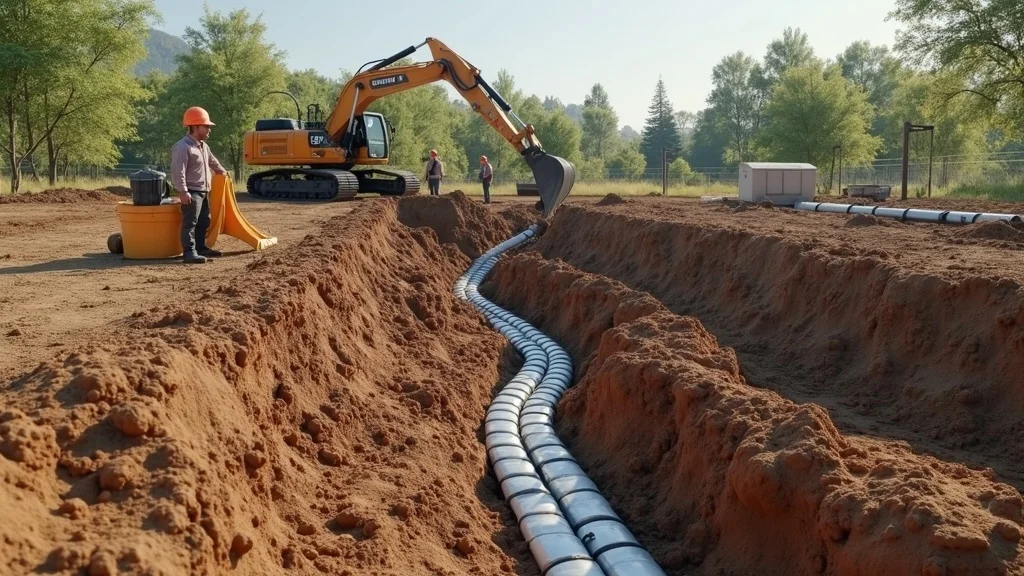
Conventional septic systems are commonly used on suitable sites because they are generally simpler to install than many alternative systems. Regular inspection and pumping of the tank are key to long-term performance. Neglected tanks can cause solids to enter and compromise a drain field, reducing lifespan and increasing costs.
Alternative Septic System Options: Mound System, Sand Mound, and Sand Filter
-
When to consider an alternative septic system: If your raw land has slow soil percolation, high groundwater, or shallow bedrock, standard systems may not work. That’s when engineered alternatives like mound systems, sand mounds, and sand filters become crucial.
-
How mound systems and sand filters work: A mound system features a raised bed filled with layers of sand and gravel, constructed above the natural ground. Wastewater is pumped to the mound’s top, where it filters down through the sand, providing treatment before entering existing soil. Sand filters work similarly, adding layers of sand between the tank and natural soil to boost filtration.
-
Sand mound installation tips: Careful excavation, layer construction, and venting are vital. The mound must be sized for your wastewater flow and future household size, with topsoil and native grass cover to prevent erosion.
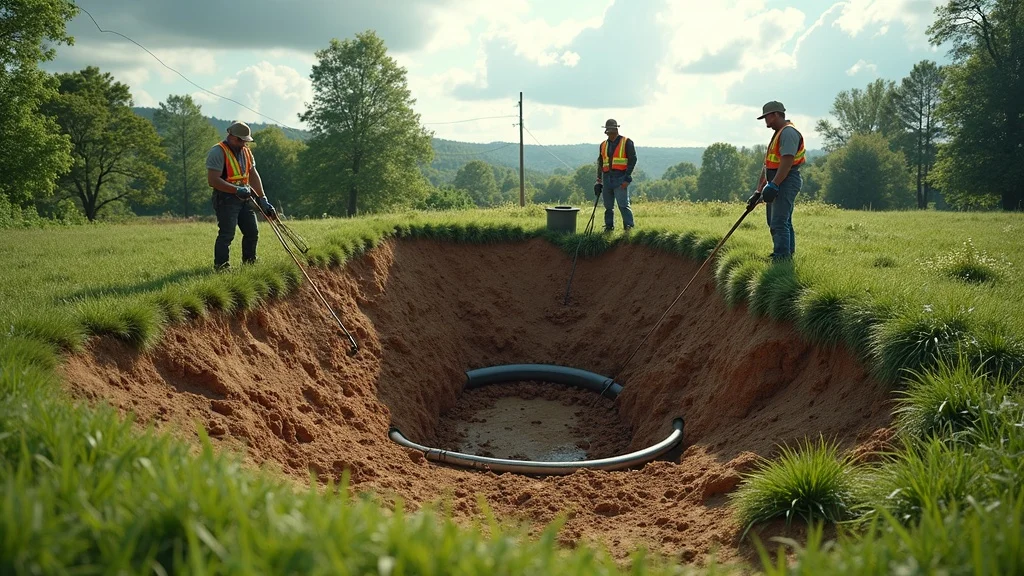
Alternative septic systems are often required by local code when raw land conditions make conventional systems unsafe or impractical. While more complex and often costlier upfront, these approaches, especially the sand mound and sand filter variations, provide effective treatment where challenging soils exist, helping address wastewater treatment needs on challenging sites.
Other Raw Land Septic System Options: Aerobic Treatment Units and More
-
Aerobic treatment unit overview: Aerobic Treatment Units (ATUs) resemble mini municipal wastewater plants. They use oxygen-rich environments and mechanical aeration to treat sewage more thoroughly and quickly than anaerobic tanks. These units are suitable for properties with very high water tables or sensitive environmental areas.
-
Nature-based options like constructed wetlands: Constructed wetlands are used in some areas as an alternative wastewater treatment approach, subject to local regulations. These systems are gaining popularity for their low-energy, eco-friendly approach, although they may require larger spaces and more specialized maintenance.
-
Cluster and community septic systems: Multiple homes can share a single, larger treatment system, either a series of tanks and fields or advanced treatment units. These setups are sometimes used in rural subdivisions or where land parcels are small but collectively suitable for a communal septic approach.
Comparing Raw Land Septic System Options
|
Type |
Suitability |
Pros |
Cons |
Maintenance |
|---|---|---|---|---|
|
Conventional Septic (Tank & Drain Field) |
Soil with good percolation, low water table |
Often lower installation cost on suitable sites, simple maintenance, proven reliability |
Inappropriate in poor or shallow soils; can fail if overloaded |
Pump tank every 3-5 years, inspect drain field annually |
|
Mound System/Sand Mound |
Poor draining soils, high water tables |
Works on land unsuitable for conventional; improves treatment |
Costlier to install; requires space and expert design |
Pump tank regularly, inspect mound for settling or leaks |
|
Sand Filter |
Sites with marginal soils or environmental sensitivity |
Extra treatment; reduces risk to groundwater |
Additional maintenance, more upfront expense |
Regular maintenance of pump and filter bed |
|
Aerobic Treatment Unit (ATU) |
Small lots, environmentally sensitive sites |
Designed to provide enhanced wastewater treatment under certain site conditions, allowed in tough conditions |
Needs electricity, mechanical parts, frequent maintenance |
Quarterly servicing, frequent inspections |
|
Constructed Wetlands |
Large lots, low slope, eco-conscious owners |
Low energy use, wildlife habitat, long lifespan |
Needs space, specialized maintenance |
Monitor plant health, maintain flow paths |

What to Consider Before Installing a Raw Land Septic System
Site Evaluation: Percolation, Setbacks, and Local Codes
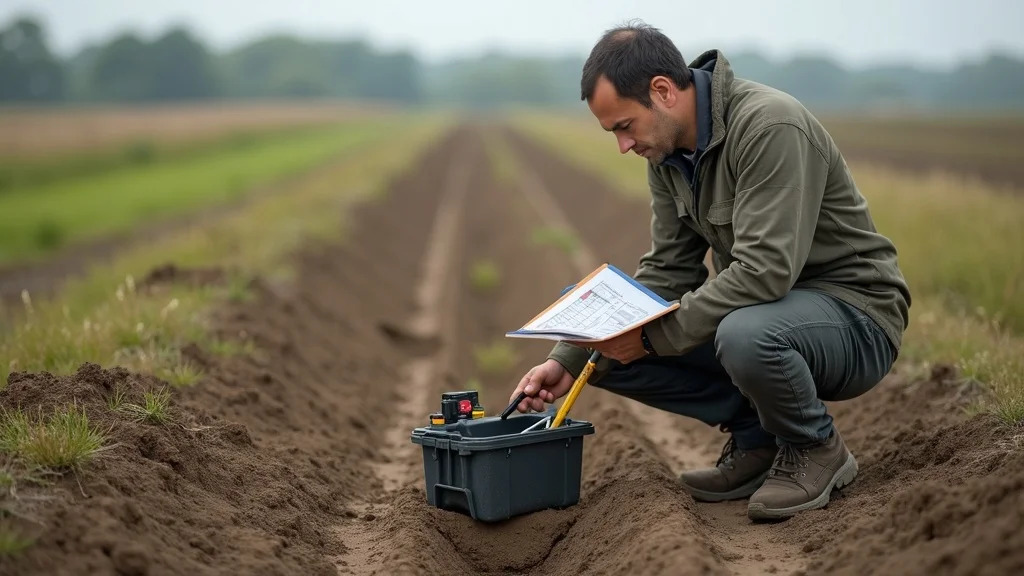
A professional site evaluation is the cornerstone of any successful septic project. This process includes a percolation test to assess soil absorption, mapping setbacks from property lines, wells, and water bodies, and verifying elevation changes that could impact system design. Many counties require certified soil scientists to conduct these tests to ensure accurate data and proper system selection. The results will indicate if you can use a conventional system or if you’ll need a mound, sand filter, or aerobic unit.
Meeting local codes and setback requirements is just as important as evaluating soil. Many health departments set specific distances between septic tanks, drain fields, water wells, and property lines to protect water quality and public health. Failure to comply can result in denied permits, forced redesigns, and even fines. Engaging with local regulators early can streamline approvals and ensure you’re not caught off guard by zoning issues or unexpected code requirements.
Choosing the Right Raw Land Septic System Based on Property Features
Beyond soil and setbacks, your property’s specific features play a vital role in selecting from raw land septic system options. Consider your acreage, elevation, seasonal water table fluctuations, and intended land use (for example, full-time residence vs. part-time cabin). Some lots with suitable soils and drainage characteristics may qualify for conventional systems, subject to local approval. Flat or compact land, rocky subsurface, high clay content, or areas prone to flooding may instead demand sand mounds, sand filters, or aerobic treatment systems.
Don’t overlook the connection between plans and system scalability. Discuss future occupancy or expansion plans with your designer to determine appropriate system sizing within local regulations. Property owners also need to factor in landscaping preferences. Some alternatives, like sand mounds, are visually pronounced and may limit gardening or recreational uses over the mound area. Weigh these considerations carefully with your installer for a hassle-free experience.
How to Install a Septic System on Raw Land: Step-by-Step Guide
Permits, Inspections, and Working with Contractors

Every septic installation on raw land starts with permitting and inspections. Local health and environmental agencies will review your soil tests, system plans, and setbacks before issuing a permit. Be prepared for several steps: submitting engineered drawings, scheduling pre-inspection visits, and occasionally attending hearings for variance requests if your site has unusual challenges. Hiring a licensed septic contractor with experience in local permitting can simplify the process and prevent costly errors.
Once you have permits secured, work closely with your contractor to lay out the system components on the land. Detailed blueprints are referenced on site, and staked boundaries are marked visibly for excavators. Many jurisdictions require multiple inspections during construction to verify the correct location, depth, and materials used, especially for alternative septic systems like sand mounds or aerobic treatment units. Maintain records of inspections and approvals before proceeding to each construction phase.
Installing the Septic Tank and Drain Field: Key Steps
The construction itself starts with excavation for the septic tank and drain field (or mound/sand filter bed). Heavy equipment is used to dig trenches or holes as specified. The tank is installed first, ensuring it’s level and structurally sound. Perforated pipes, geotextile fabric, and gravel (for drain fields) or sand/gravel (for mounds/filters) follow. These ensure wastewater is distributed evenly for optimal treatment. Specialized pumps or distribution boxes may be added on challenging sites (like those with minimal slope).
Once all components are secured and inspected, the system is covered with appropriate fill and seeded or covered with sod. Surface grading should slope away from the tank and field to prevent rainwater intrusion. Professional installers will check system function with test water before completion. Keep documentation, as maintenance schedules often hinge on the install date and permit sign-offs.
Maintaining Raw Land Septic System Options for Longevity
-
Regular pumping schedules: Pump your septic tank every 3–5 years, or as recommended by your local health department. Regular pumping prevents solids from entering the drain field and clogging it, helping your system last as long as possible.
-
Avoiding system overload: Be mindful of water use. Too much water at once can overwhelm the septic tank and drain field, causing untreated wastewater to surface. Space out laundry, showers, and high-water activities.
-
Addressing common wastewater treatment issues: Regularly inspect system covers, risers, and the area above your drain field or sand mound for odors, wet spots, or lush vegetation. These are signs you may need professional servicing. Avoid flushing anything besides wastewater and toilet paper, as grease, medications, and wipes can cause system failures.

A properly maintained septic system may last for decades, though lifespan varies based on system type, usage, soil conditions, and maintenance.
People Also Asked:
Can you put a septic system on land that won’t perk?
Yes, when soils do not absorb water well, alternative septic systems like mound systems, sand mounds, and aerobic treatment units can be considered. These systems are commonly used on sites where conventional drain fields may not meet local requirements.
What is the cheapest septic system to put in?
In many cases, conventional septic systems may cost less to install on suitable sites than engineered alternatives. Alternative systems like sand mound or aerobic units tend to cost more due to additional materials and specialized installation.
What can I use instead of a septic system?
Where code allows, options include composting toilets, incinerating toilets, and community or cluster wastewater treatment solutions. These may suit sites with environmental restrictions or where a full septic system is not feasible.
What are the three types of septic systems?
The three main types are conventional septic systems, alternative septic systems (such as mound systems and sand filters), and aerobic treatment units.
Expert Tips and Common Mistakes in Raw Land Septic System Options
-
Always conduct a comprehensive site assessment before making any decisions. Soil and elevation surprises often lead to costly redesigns.
-
Work with licensed soil scientists and contractors familiar with local code for the smoothest permitting and installation process.
-
Understand local regulations before installation; they govern everything from setbacks to acceptable system types and ongoing inspection schedules.
FAQs: Raw Land Septic System Options
-
How often should I pump my septic tank on rural land? Most experts recommend every 3–5 years, or more frequently if you have a large household or alternative system with smaller tank capacity.
-
Are there grants or programs for installing raw land septic systems? Some counties and environmental groups offer assistance for upgrading or replacing failing systems, especially in sensitive watersheds. Always check local programs first.
-
What signs indicate my septic system needs repair? Persistent odors near the tank or drain field, slow drains, pooling water, and unusually lush grass over your system area all point to possible problems. Call a professional quickly if you notice these.
-
How do seasonal changes affect alternative septic systems? Freezing temperatures or heavy seasonal rains can challenge mounds and sand filters. Proper installation and seasonal inspections help avoid damage and system failure.
Key Takeaways on Raw Land Septic System Options
-
Match your septic system choice to soil conditions and land use goals.
-
Invest time in professional site analysis.
-
Regular maintenance extends system lifespan and protects property value.
Discover Properties Suited for Raw Land Septic System Options
View available properties atGovernmentAuction.com.
Conclusion: With the right approach, raw land septic system options deliver reliable sanitation and protect your property and the environment. Take the steps, make informed choices, and enjoy the long-term peace of mind your rural retreat deserves.