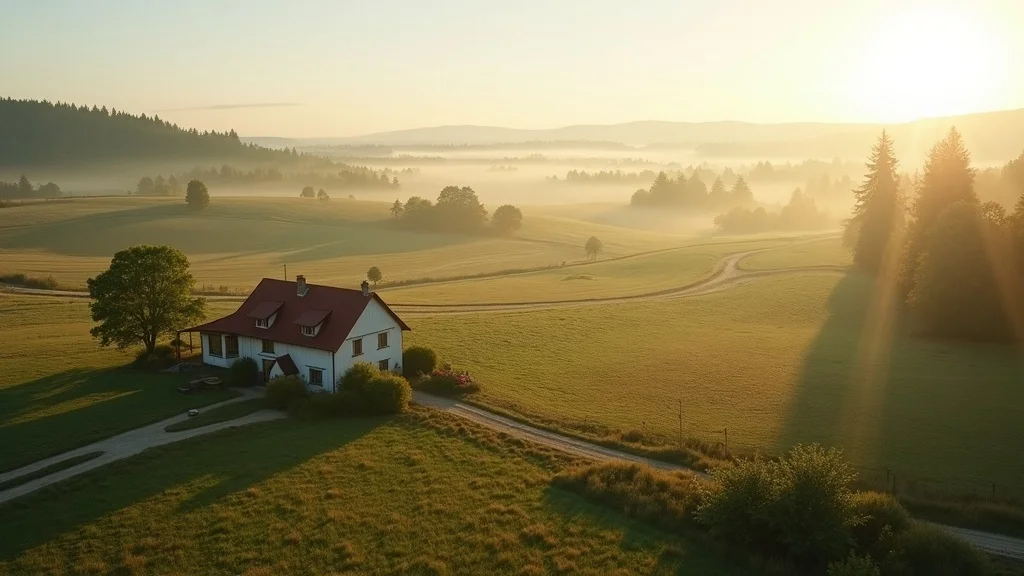
Did you know that some regions in the U.S. have experienced increases in rural land values over the past decade? This unconventional shift has forced buyers and sellers to rethink traditional property investments. If you’re searching for a fresh path in real estate, raw land may be an alternative real estate option worth evaluating based on your goals and risk tolerance. In this comprehensive guide, we’ll explore whether investing in raw land is truly the breakthrough strategy you’ve been waiting for, unraveling the facts, risks, and possibilities behind this underappreciated asset class.
A Startling Perspective on Raw Land: Growth Beyond Expectations
When most people think of real estate, they imagine bustling residential neighborhoods or gleaming commercial buildings. However, raw land – untouched, undeveloped, and full of possibility – has gained interest among some buyers seeking long-term investment or alternative uses, though outcomes depend on location and market conditions. The appeal stems from its lower entry price, scarcity near urban centers, and remarkable flexibility. In some markets, rural and undeveloped land has seen increased demand, though trends vary significantly by region.
What sets raw land apart is its potential for transformation. Unlike developed land, which comes with existing structures and constraints, raw land offers buyers a true blank canvas. Depending on zoning, access, and physical characteristics, some parcels may be suitable for uses such as agriculture, recreation, or potential development. According to data from rural areas and fast-growing suburbs, the increased demand for clean slates is changing the way people approach property ownership. With proper research and due diligence, raw land may offer opportunities for certain buyers, though risks and limitations should be carefully evaluated before purchasing.

What is Raw Land? Key Definitions and Distinctions
-
Raw land: Completely undeveloped, with no improvements, utilities, or structures.
-
Vacant land: May have some road access or infrastructure but lacks active structures. Sometimes previously used.
-
Undeveloped land: Similar to raw land but can include parcels with minor infrastructure; they are still unused and unimproved.
-
Developed land: Built upon and equipped with utilities, roads, and structures for commercial or residential use.
Defining Raw Land in Real Estate Terms
Raw land in real estate refers to a parcel that has never been built on, graded, or equipped with infrastructure like roads or utilities. It remains a natural landscape and typically requires extensive development to support usage such as housing, farming, or business activities. This pure state offers significant flexibility but comes with a distinct set of responsibilities and considerations for buyers.
How Raw Land Compares to Developed Land and Vacant Land
The key difference between raw land and developed land lies in improvements. Developed properties typically include improvements such as structures and may have access to roads and utilities, though buyers should verify specific details for each property. Vacant land, meanwhile, may have some improvements, like access via a county road, but lacks current use. Raw land stands apart in that it has never been improved, making it a unique, potentially rewarding, yet more complex, acquisition.
“Raw land offers flexibility rarely matched by other real estate categories. “
What You’ll Learn About Raw Land Investment
-
Understand the unique characteristics of raw land
-
Evaluate risks, challenges, and strategies for land development
-
Explore financing options like land loans and ground lease arrangements
-
Recognize how raw land differs from developed land
People Also Ask: What Does Raw Land Mean?
Explaining the Concept of Raw Land
Raw land is property in its most natural, untouched state. It’s considered “blank canvas” real estate, because it hasn’t been improved with roads, sewers, or buildings. Investors and buyers are responsible for all land development, planning, and access, a process that involves interaction with local authorities, zoning regulations, and sometimes environmental agencies. In contrast, vacant land may already have certain improvements or access but remains unused. Understanding this distinction helps buyers and sellers identify the necessary steps on their journey to land ownership or development.
The Landscape of Raw Land in the Modern Real Estate Market

Current Trends: Rural Land, Urban Expansion, and Land Development
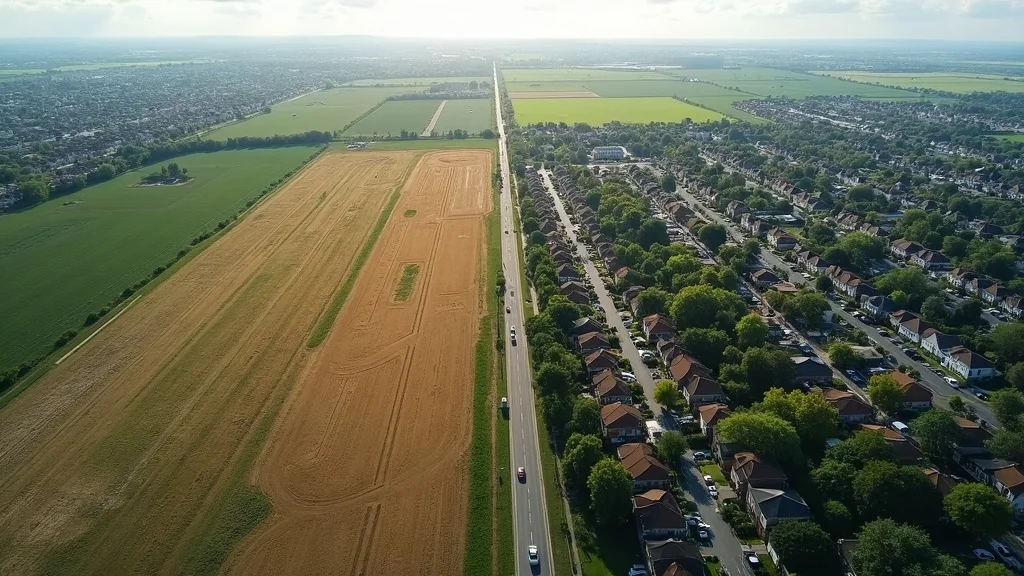
The desire to escape city congestion, along with changing work trends, has shifted the spotlight to rural land and suburban edges. Recent market trends show significant growth in the value and demand for undeveloped land parcels on the outskirts of major urban centers. Urban expansion drives up land prices in these areas while spurring land development projects. Meanwhile, environmental interests and recreational demands create fresh value for rural land, leading to an array of opportunities for both new and seasoned buyers willing to consider development beyond traditional real estate boundaries.
This evolving landscape means traditional agents and developers are reevaluating the role of raw land in portfolios. As real estate agents and prospective owners look to growing communities, agricultural ventures, or conservation-focused projects, they realize the potential for creative returns and legacy investments. Understanding the factors shaping today’s rural land markets, like access to metropolitan infrastructure, changes in zoning, and environmental restrictions, ensures a more informed buyer experience and a greater likelihood of long-term satisfaction.
Raw Land as an Alternative Real Estate Asset
Raw land is increasingly viewed as an alternative asset within the broader real estate market. Unlike finished homes or commercial spaces, which are subject to fluctuations in tenant demand or market cycles, raw land may respond differently to market conditions than developed property, but it can still be affected by economic shifts and may be less liquid. Whether held for conservation, recreational use, or eventual development, raw land stands as a strategic asset offering flexibility outside of traditional residential or commercial uses.
Ownership of undeveloped land also serves purposes such as ecological stewardship and long-term wealth preservation. This versatility sets raw land apart from the more confined options found in developed property and vacant land markets. If you’re searching for a distinctive real estate asset, considering raw land may broaden your portfolio with prospects for both personal enjoyment and future use.
Why Consider Buying Raw Land?
Long-term Benefits of Owning Raw Land
Owning raw land presents unique long-term advantages. As the supply of undeveloped land near growing communities diminishes, these parcels often become more desirable for future generations. Raw land may have lower maintenance costs than developed property, but owners should still account for expenses such as property taxes, insurance, and potential land management. Holding raw land provides tangible security and can act as a hedge against market turbulence. Many buyers appreciate that the “blank canvas” nature of raw land means its potential use is subject to local regulations, physical characteristics, access, environmental factors, and feasibility considerations.
Flexibility in Use: From Agriculture to Recreation to Residential Development
One of the most appealing aspects of raw land is its versatility. Depending on location and zoning, buyers might use their land for farming, hunting, recreation, conservation projects, or even future residential or commercial building. This adaptability allows owners to plan, dream, and evolve their vision over time, one year focusing on natural enjoyment, the next contemplating a subdivision or income-producing venture. Whether you imagine growing crops, building a personal getaway, or even starting a commercial building project, raw land opens doors to diverse possibilities.
People Also Ask: How Much Is 1 Acre Worth?
Understanding Land Value Factors
The value of one acre of raw land in any location depends on several factors. These include proximity to highways and utilities, soil quality, zoning regulations, and demand for nearby development. In many markets, proximity to cities, road access, or natural features can influence pricing, though this varies by location and demand.
Conversely, remote tracts lacking access may sell at a lower price, reflecting both the risks and the need for further development before use. It’s critical to research the unique traits of each area and property when estimating value, and consulting a knowledgeable real estate agent can provide vital local insights.
People Also Ask: Can You Build on Raw Land?
Pathway from Raw Land to Construction
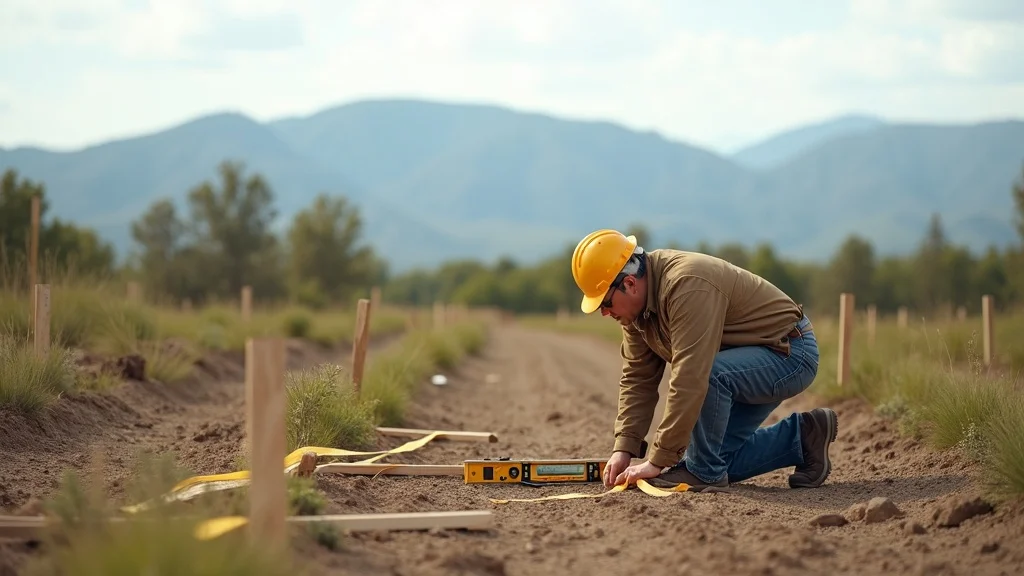
Building on raw land involves a thorough, multi-step process. First, buyers must confirm that zoning regulations permit the intended use: residential, agricultural, or commercial building. Next, the land must undergo environmental review, soil and structural surveys, and be equipped with access to necessary utilities and roads. Engaging professionals such as contractors can help navigate the process and reduce risk, though buyers remain responsible for verifying compliance. While developing raw land requires a significant commitment, proper planning can ultimately result in a property uniquely tailored to your goals.
Financing Options for Raw Land Investments
Types of Land Loans and Approval Criteria
Purchasing raw land is different from buying a home or developed property. Specialized land loans are typically required, and lenders may ask for a larger down payment with slightly higher interest rates. Funding options include raw land loans (for unimproved properties), lot loans (for parcels with utility access), and construction loans for those planning to build. Approval depends on factors like the purchase price, location, access, land use plans, and the buyer’s credit profile. Because raw land often represents a higher risk to lenders, being prepared with documentation and a clear development plan can help secure more favorable terms.

Alternative Financing: Ground Lease and Private Lending
Buyers not seeking traditional land loans may turn to alternative options like ground leases or private lending. In a ground lease, the tenant leases raw land from the owner, typically for long terms, retaining the right to develop or use it within agreed parameters. These arrangements offer flexibility without a heavy upfront purchase cost. Private lending (loans sourced from individuals or organizations outside of banks) can also provide financing with potentially faster approval, though often at higher interest rates. Buyers should compare rates and terms, ensuring compliance with all local laws and understanding the longer-term implications of each approach to land purchase.
|
Financing Option |
Best for |
Key Features |
Typical Down Payment |
|---|---|---|---|
|
Land Loan |
Purchasing raw or vacant land |
Higher down payment, higher interest rate, shorter terms |
20%–50% |
|
Construction Loan |
Developing property with immediate building plans |
Short-term, disbursed in phases, requires development schedule |
10%–30% |
|
Ground Lease |
User wants control without full purchase |
Long-term lease, flexible uses, lower upfront cost |
Usually minimal |
Steps for Developing Raw Land
Preparing Land for Residential, Commercial, or Agricultural Projects
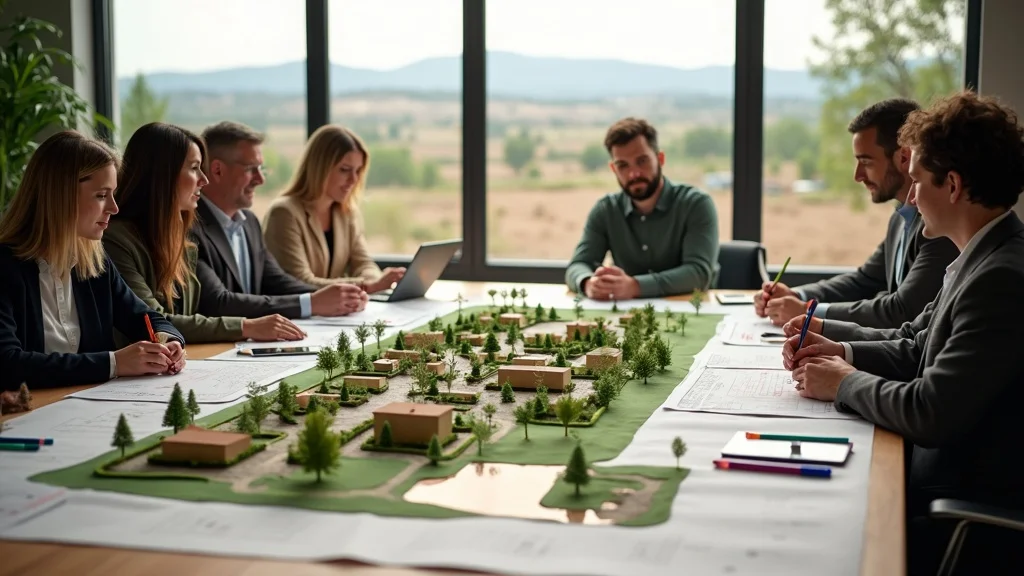
Developing raw land begins with a clear plan that matches the intended use: housing, businesses, farming, or recreational activities. Buyers must investigate zoning, survey land boundaries, confirm utilities, and perform environmental reviews. Next, work with architects, engineers, and contractors to design structures and infrastructure, applying for all necessary permits with local authorities. Breaking development into manageable phases, from land clearing to building roads and utilities, helps control expenses and manage timelines in each stage of raw land development.
Key Considerations in Raw Land Development
Key to a successful project is careful coordination with local government agencies and adherence to legal guidelines. Consulting real estate agents and planning professionals is critical at every stage, especially for permits, zoning variances, and regulatory compliance. Master planning, phased construction, and ongoing community engagement help ensure the development is both economically viable and suited to the area’s character. Thoughtful raw land development can create lasting value for owners and the broader community.
“The transformation from raw land to developed property can create lasting community value. “
FAQs About Raw Land and Land Development
-
What considerations should a first-time buyer have regarding raw land?
First-time buyers should prioritize thorough research, especially on access, zoning, environmental status, and development costs. Consulting experienced estate agents and professionals helps uncover risks and opportunities unique to undeveloped land. -
How do raw land and vacant land differ legally and practically?
Raw land has never been improved and lacks infrastructure, while vacant land may include basic access or utilities but is not currently in use. Understanding local definitions is important for financing and development planning. -
Can raw land be leased instead of purchased?
Yes, ground leases allow users to control and develop land without buying it outright. These are often long-term contracts with unique obligations, so review terms closely with professional guidance. -
What are the ongoing costs of owning raw land?
Ongoing costs can include property taxes, insurance, occasional land management, and potential association fees. Raw land usually incurs fewer costs than developed property, but buyers should confirm with local authorities before purchasing.
Key Takeaways on Investing in Raw Land
-
Raw land offers compelling flexibility and long-term potential with the right research.
-
Thorough due diligence, understanding of land development, and financing are essential.
-
Work with experienced real estate professionals to navigate complexities.
Next Steps: Explore Your Raw Land Opportunities
View available properties atGovernmentAuction.com.
In summary: With the right preparation, raw land can provide unique value, creative opportunities, and flexibility for future growth. Ready to discover your ideal parcel? Start your search and explore the full potential of raw land today.