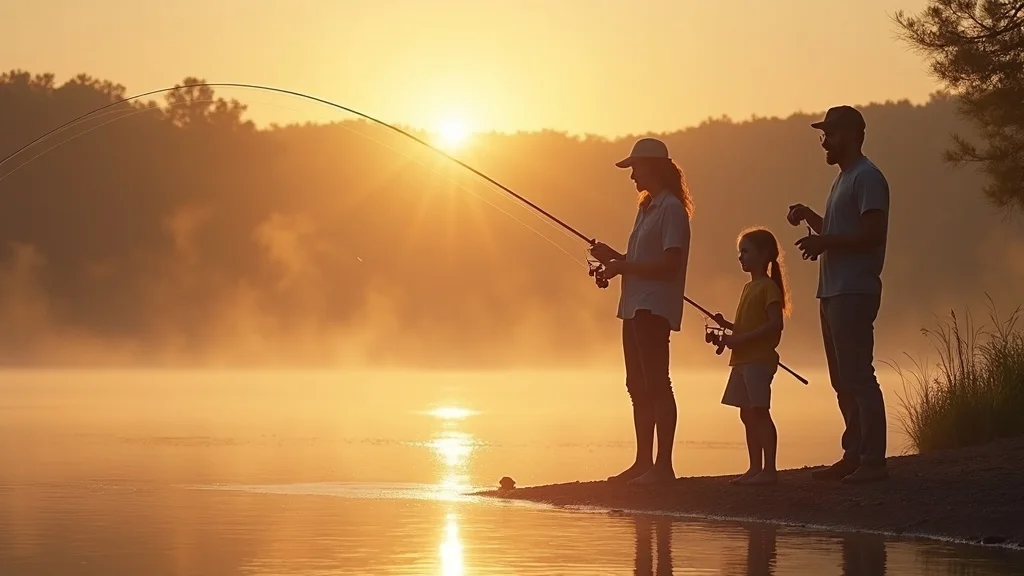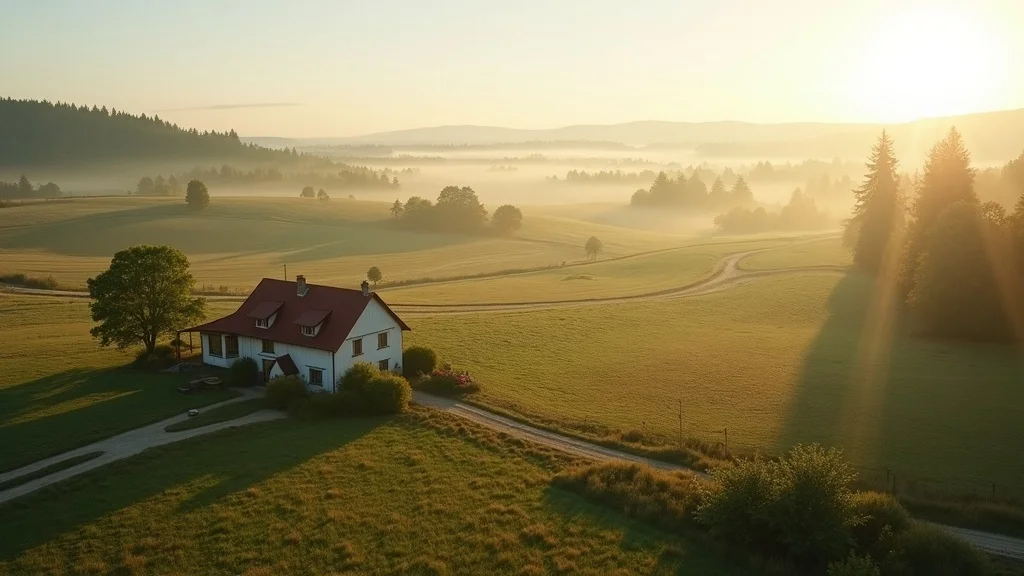
Did you know that Arkansas is home to more than 6 million acres of vacant land, yet fewer than 10% of buyers realize the incredible versatility of this untapped resource? With picturesque rural areas, vibrant forests, and open fields, the “Natural State” offers more opportunities for land ownership, recreation, and creativity than most people ever imagine
Revealing the Value of Undeveloped Land in Arkansas: Startling Trends and Insights
“Arkansas consistently ranks among the top states for land availability, yet less than 10% of buyers realize the versatility of undeveloped land here.”
Arkansas Land Market Research, 2023
-
Startling fact: Arkansas is home to more than 6 million acres of vacant land (raw land, rural areas, and forested plots). USDA, 2022
These millions of acres of undeveloped land are more than just visually striking. They represent a unique opportunity to shape your own lifestyle or steward natural resources. From passive recreational land ownership to getting your hands dirty with a tiny house build, Arkansas offers unmatched flexibility for current and future land owners. In recent years, land sales and land investing have surged, as more people seek a simple retreat or a place to build their dream in serene, wide-open spaces.
Whether you’re curious about the real estate market, hoping to create a lasting family homestead, or envisioning a conservation project, you’ll find that vacant land and raw land in Arkansas offer endless possibilities. Understanding zoning laws, property tax responsibilities, and the nuances of rural areas is essential, but first, let’s set the stage for what you can achieve on your own parcel of the Natural State.
What You’ll Learn About Common Uses for Undeveloped Land in Arkansas
-
The most popular uses for vacant land and land in Arkansas
-
Innovative and traditional uses for raw land by land owners
-
How zoning laws and due diligence impact your choices
-
Ways to enjoy the natural beauty of Arkansas’s recreational land
-
Key considerations before becoming a property owner or land investor
Comparison Table: Zoning Categories VS. Potential Land Uses in Arkansas
|
Zoning Category |
Allowed Uses |
Common Projects |
|---|---|---|
|
Raw Land |
TBD by county (flexible), often unrestricted |
Homesteads, recreational land, natural reserves |
|
Vacant Land |
Agricultural, residential, conservation, or commercial |
Tiny house, family farm, hunting land, or self-storage |
|
Recreational Land |
Personal use, not for permanent living |
Camping, fishing, ATV trails, private retreats |
|
Tiny House Zoning |
Residential, subject to local codes and size limits |
Tiny houses, cabins, eco-homes |
|
Agricultural |
Farming, animal husbandry, agri-tourism |
Family farms, hobby ranches, community gardens |
|
Commercial |
Businesses, events, storage facilities, RV parks |
Event venues, self-storage, RV campgrounds |
|
Conservation |
Habitat protection, easements |
Wildlife sanctuaries, conservation easements |
Top 15 Common Uses for Undeveloped Land in Arkansas
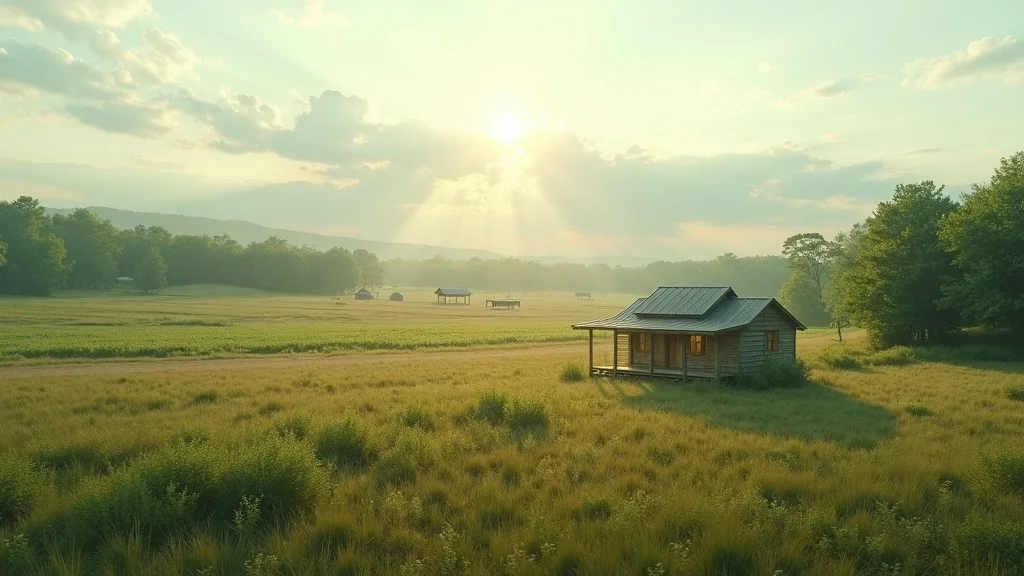
1. Building a Tiny House in Arkansas: Embracing Simplicity and Rural Areas
2. Recreational Land for Camping, Hunting, and Fishing: Enjoying Arkansas’s Natural Beauty
3. Establishing a Family Farm or Homestead: Sustainable Living with Vacant Land
4. Creating a Wildlife Sanctuary: Enhancing Conservation with Raw Land
5. Timberland and Forestry: Income Potential and Ecosystem Value
6. Outdoor Event Spaces: Weddings, Retreats, and Community Gatherings
7. Off-Grid and Sustainable Homes: Alternative Living on Undeveloped Land
8. Community Gardens and Urban Agriculture: Transforming Land in Arkansas Towns
9. Leasing for Solar or Wind Energy Projects
10. Private Retreats and Vacation Cabins for Land Owners
11. Equestrian Properties and Ranches: A Growing Niche in Real Estate Market
12. RV Parks and Campgrounds: Capitalizing on Arkansas Travel Tourism
13. Wildlife Photography and Birdwatching Reserves: Showcasing Natural Beauty
14. Storage Facilities or Self-Storage on Vacant Land
15. Conservation Easements: Protecting Land for Future Generations
Building a Tiny House in Arkansas: From Raw Land to Cozy Retreat
“Tiny houses on vacant land allow Arkansans to minimize costs and maximize freedom.”
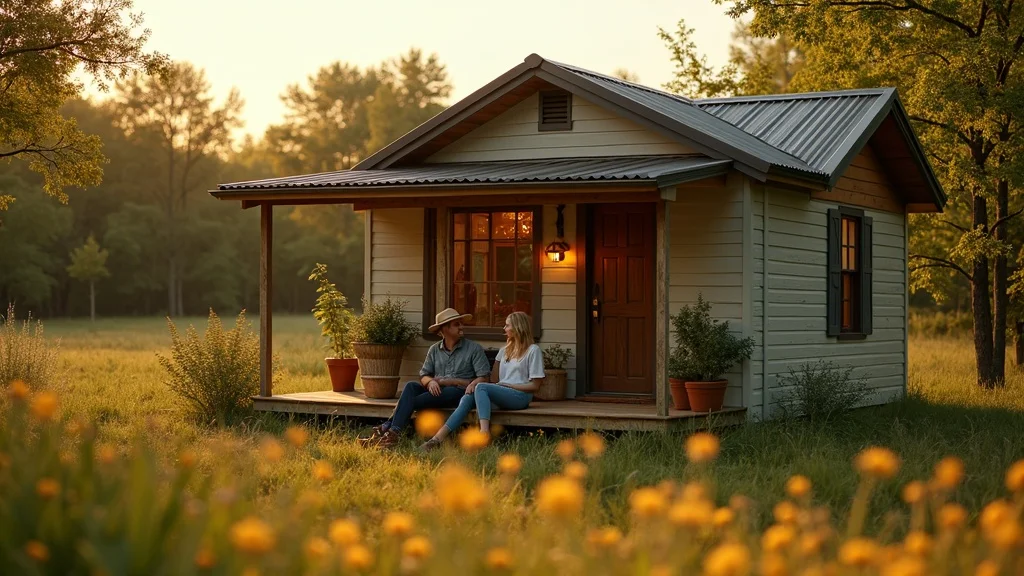 The common uses for undeveloped land in Arkansas often start with a dream: a tiny house in a peaceful clearing. Thanks to flexible zoning laws in many rural areas, building a tiny house on raw land provides property owners the chance to control their budget, enjoy simplicity, and experience rural living up-close. Diligent land owners take care to check local zoning codes before breaking ground, ensuring their plans for alternative, and often sustainable, housing are fully approved. Tiny homes aren’t just trendy; they’re practical, easy-to-maintain, and offer a deep connection to the natural beauty of Arkansas.
For those embracing their first major step into land ownership, the appeal of tiny houses is their flexibility, whether you want a weekend escape or a full-time retreat. It’s a route that’s especially popular among new land owners and retirees drawn to affordable, low-maintenance lifestyles on vacant or raw land. Always perform due diligence by reviewing building restrictions, utility access, and requirements for septic or wells. With the right approach, your tiny home can be both a cost-effective investment and a peaceful haven.
Recreational Land: Camping, Hunting, and Outdoor Living
-
Recreational land for sale: what land investors should know
-
Connecting with Arkansas’s natural beauty and local wildlife
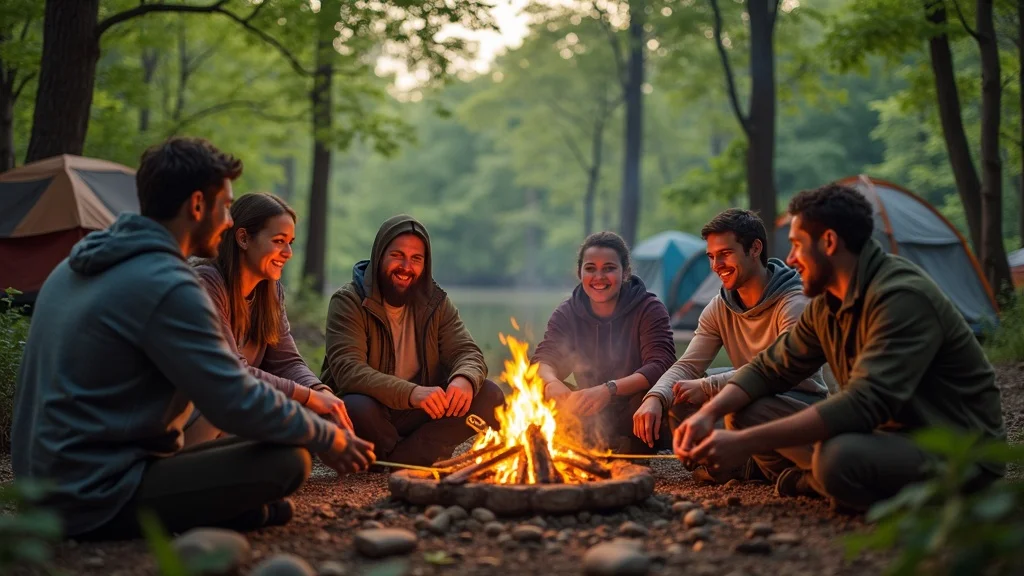 Recreational land ranks among the most sought-after common uses for undeveloped land in Arkansas. Land investors are frequently drawn to tracts that support camping, fishing, hunting, and other outdoor pursuits. The Natural State’s lush forests, abundant wildlife, and clean rivers offer a natural playground for property owners and their guests. Land sales of recreational parcels have surged as more Arkansans and urban buyers seek to unplug, explore the outdoors, and spend weekends in tranquil privacy.
Before purchasing, conduct thorough due diligence to verify access (road access can be a challenge in remote spots), review any restrictions, and check local regulations concerning camping and hunting. Investing in recreational land introduces you to a supportive land ownership community and can even pave the way for future projects, like building a vacation cabin or establishing event sites. Best of all, it’s a way to secure lasting memories and a connection to Arkansas’s wild beauty.
Establishing a Family Farm or Homestead on Undeveloped Land
-
Agricultural land use: farming, livestock, and sustainability
-
Understanding property tax implications and land ownership
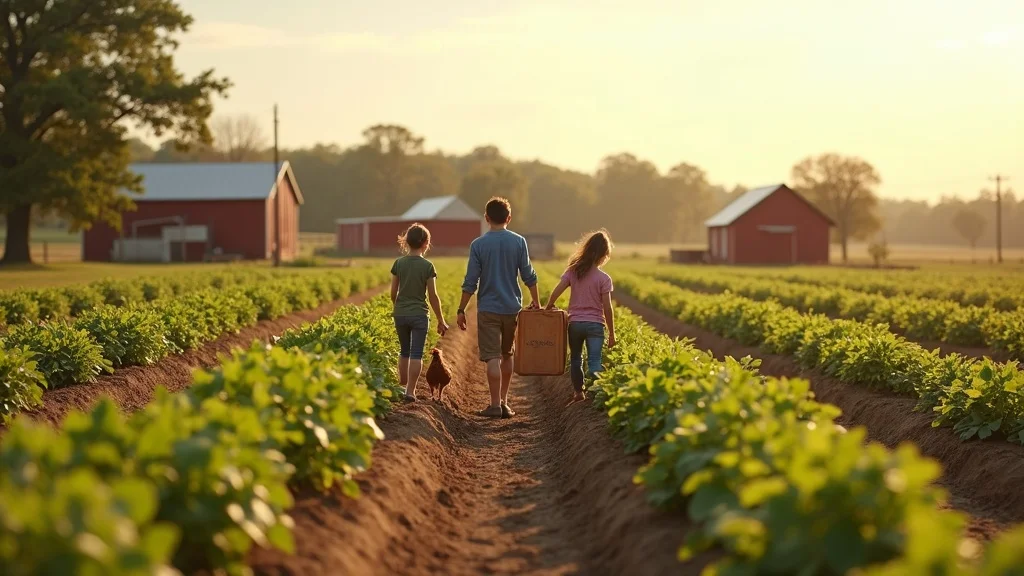
Turning raw land into a thriving family farm or self-sustaining homestead is an Arkansas tradition reborn! Vacant land zoned for agriculture allows you to raise crops and livestock, support healthy local food, and build a legacy for the next generation. While agricultural land offers long-term stability and community connection, new land owners should research property tax rates (which are often lower for farm use), verify water rights, and confirm agricultural exemptions with local counties.
Beyond farming itself, a homestead on undeveloped land can include orchards, bees, livestock, and seasonal gardens. Many Arkansas property owners describe it as “building your dream from the ground up.” Set realistic goals, review the USDA’s resources for beginning farmers, and seek advice from local extension offices. With proper planning and passion, family farming and homesteading turn vacant land into a vibrant, productive space.
Nature and Wildlife Sanctuaries: Conservation Uses for Raw Land
-
Partnering with conservation groups or managing private preserves
-
Protecting native species and enhancing the ecosystem
For those inspired by Arkansas’s role as the “Natural State,” creating a wildlife sanctuary is a noble use for undeveloped land. Property owners can work alongside conservation groups, state programs, or even manage private preserves. Dedicating raw land to conservation helps protect endangered species, restore native plants, and maintain clean water resources, all while preserving the beauty future generations deserve.
The process requires strong due diligence: check eligibility for conservation easements, apply for local and federal grants, and research how easements impact land ownership and property tax profiles. Many land owners are eligible for property tax incentives if conservation is the primary purpose. This pathway turns your Arkansas acreage into a living legacy of stewardship.
Timberland and Forestry Management in Arkansas
-
Reforestation, selective harvesting, and forest stewardship
-
Zoning laws and property taxes for timberland owners
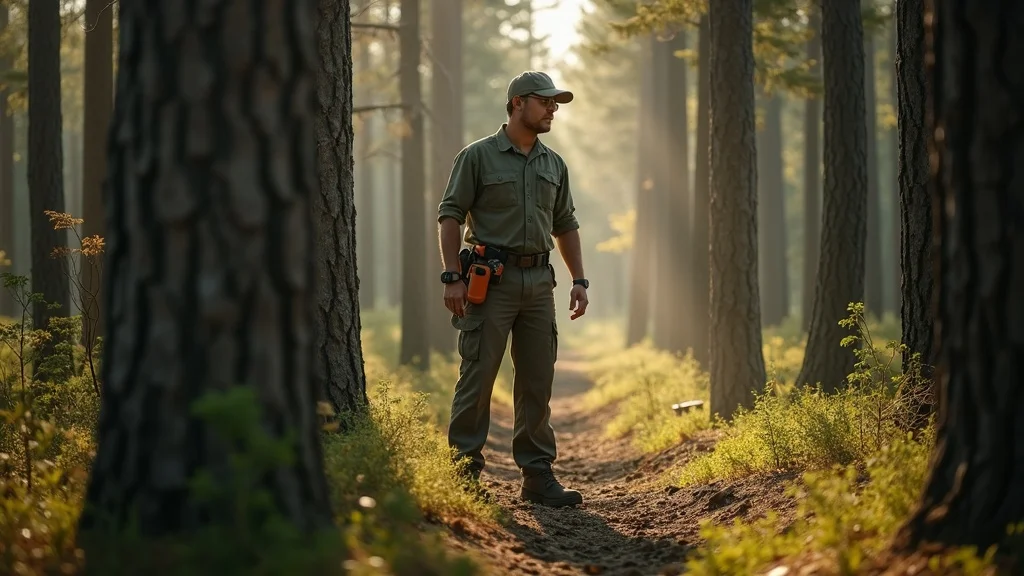 Arkansas’s forests cover millions of acres, making timberland management one of the most practical common uses for undeveloped land in Arkansas. Whether you’re implementing sustainable logging, reforestation projects, or maintaining woodland for recreation, timber parcels provide both ecological value and a sense of rustic heritage. Many property owners enroll in state stewardship programs to learn about selective harvesting and land restoration while enjoying reduced property tax rates for timberland.
Before buying timberland, check local zoning laws, access requirements, and the availability of forest management resources through the Arkansas Forestry Commission. Creating trails and restoring habitats provides benefits not just for the land investor, but also for Arkansas’s vast network of plants and animals. Stewardship here means profit is just one reward; preservation and legacy are just as important.
Outdoor Events and Retreat Centers on Vacant Land
-
Host weddings, retreats, adventure races, or yoga camps
-
Due diligence: parking, insurance, and local regulations
 Outdoor events on vacant land are trending in Arkansas real estate thanks to the state’s mild weather and breathtaking scenery. From boutique wedding venues tucked in scenic meadows to adventure retreats or creativity camps, property owners are repurposing raw land for hospitality and gathering. The first step is thorough due diligence: evaluate parking, access, water and sanitation, and make sure you comply with local regulations regarding large events.
Liability insurance and accessibility can impact your project, so consult local officials before opening your doors. Land owners who focus on flexibility, transparency, and the unique lifestyle benefits of rural areas often create event spaces that stand out for their natural beauty and charm.
Sustainable, Off-Grid Homes: Living Lightly on Undeveloped Land
-
Off-grid solar, water catchment, and natural beauty
-
Key steps in the due diligence process for property owners
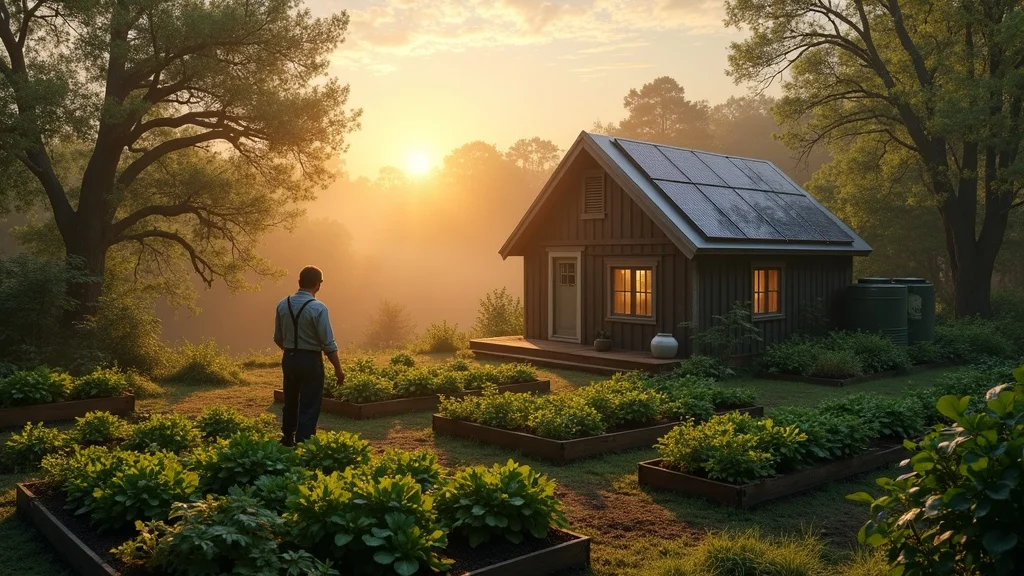 Off-grid and sustainable living on undeveloped land is capturing the imagination of Arkansans seeking independence from conventional utility companies and a closer relationship with the land. Off-grid homes blend solar energy, rainwater harvesting, and environmentally-minded building materials. This approach to vacant land is not just a trend. It’s a movement toward resilience and simplicity.
Research zoning laws, obtain necessary permits, and consult local engineers to plan for alternative power and sanitation solutions. Off-grid projects also require clever road access solutions, proper site planning, and an appreciation for the natural rhythms of the Arkansas outdoors. Done well, sustainable homes become sanctuaries of peace and self-sufficiency.
Urban Farming and Community Gardens: Benefits of Land in Arkansas Cities
-
Innovative uses for land sales near urban centers
-
Supporting local food systems and community wellness
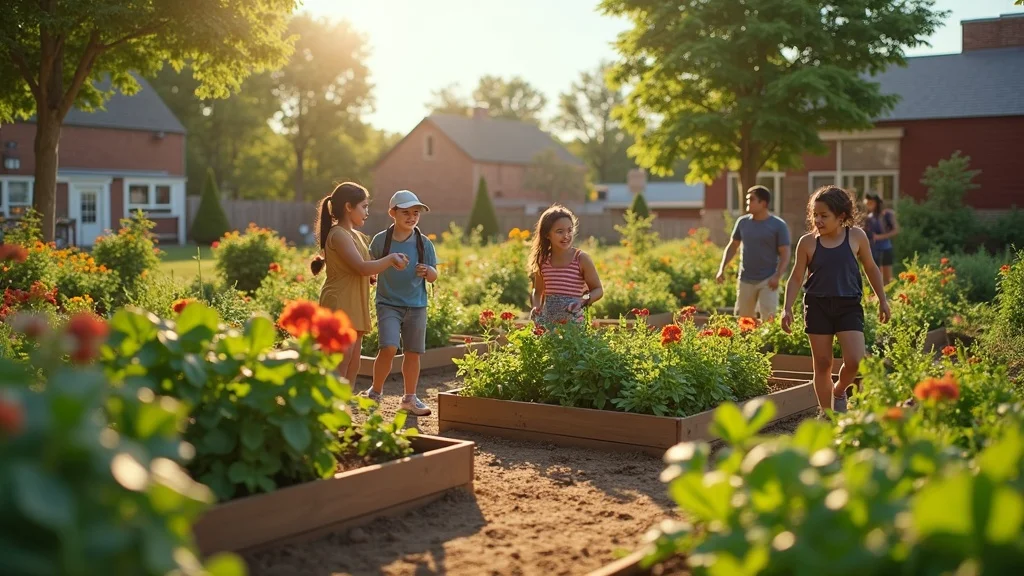 Vacant lots and underused parcels in Arkansas towns are being transformed by community gardens and urban farming cooperatives. These initiatives bring neighbors together, generate local food, and provide green space in city or suburban settings. If you’re a land owner near an urban center, consider the zoning laws and any incentives available for agricultural or community use.
Local organizations, food pantries, and neighborhood associations can often partner with land owners to build healthy, resilient communities. Urban farming improves property values and enhances Arkansas’s reputation as a state that values wellness, environmental stewardship, and innovative uses for land sales.
Renewable Energy Projects: Leasing Undeveloped Land for Sustainable Revenue
-
Solar and wind energy: suitability for Arkansas’s rural areas
-
Land owner agreements and zoning considerations
 Solar and wind energy projects are becoming increasingly common as Arkansas property owners lease their land to utility companies for sustainable power generation. These projects are especially suited to rural areas with open fields and strong sun or wind patterns. Leasing land for energy infrastructure can provide passive income, but property owners should always review lease agreements, study zoning requirements, and consider how installations might impact long-term land value.
Renewable energy leasing infuses cash flow without fundamentally altering the property’s natural beauty. Perform due diligence by requesting proposals from multiple energy firms and consulting with county officials regarding any local regulations. Done transparently, these partnerships benefit both land owners and Arkansas’s clean energy future.
Private Cabins and Vacation Rentals on Recreational Land
-
Popular with out-of-state buyers and Arkansas vacationers
-
Role in Arkansas’s real estate market and local economies
Private cabins and short-term vacation rentals on undeveloped land are booming, especially among city dwellers looking for a weekend escape. Setting up a rustic cabin or modular “glamping” retreat on your recreational land blends privacy, comfort, and the ability to enjoy Arkansas’s wild spaces year-round. These projects often encourage local tourism, supporting area shops and offering reliable bookings during peak seasons.
Land owners should check zoning codes for short-term rentals and consider building standards for cabins in rural or forested areas. These ventures help many Arkansans participate in the state’s thriving travel and tourism industry while keeping the authentic countryside feel.
Equestrian Properties and Hobby Farms in Arkansas
-
Zoning laws for animals, barns, and fencing
-
Vacant land options ideal for horses and livestock
Arkansas’s gently rolling hills and fertile soils make it ideal for equestrian properties and small farms. From riding stables to hobby farms where property owners raise their own sheep or cattle, these projects are growing in popularity. Understanding local zoning restrictions around animals and fencing is crucial before beginning construction on barns, arenas, or shelters.
Hobby farms and equestrian estates create community, encourage healthy outdoor living, and often become multigenerational anchors in Arkansas’s real estate market. These uses underline how vacant land can nurture both people and animals when thoughtfully managed.
Developing RV Parks and Arkansas Campgrounds
-
Land investing: considering proximity to state parks and rivers
-
Practical steps for land sales and site planning
With more visitors traveling through Arkansas for nature tourism, RV parks and campgrounds are a smart reuse of raw or vacant land. Desirable locations are near rivers, hiking trails, state parks, or scenic byways. Investors seeking to develop a campground must perform due diligence concerning land sales paperwork, site planning for sanitation and utilities, and meeting ADA or environmental requirements.
Developing an RV park not only benefits travelers, but also stimulates local economies and generates passive income for land owners willing to provide ongoing site management. Flexibility in amenities and a strong stewardship mindset make RV parks a sustainable match for Arkansas’s hospitality-driven market.
Birdwatching, Photography, and Outdoor Recreation Reserves
-
Wildlife habitats as a draw for tourists and birders
-
Land owners’ responsibilities and due diligence
Arkansas is a haven for birdwatchers and nature photographers, with many undeveloped parcels serving as personal wildlife reserves. Setting land aside for quiet, non-invasive recreation protects habitats and draws ecotourism. Land owners interested in reserves must manage their properties thoughtfully: trail maintenance, signage, and restrictions on motorized vehicles can help balance public access with ecosystem health.
Outdoor recreation reserves can be as simple as a maintained viewing platform or as elaborate as a mapped network of trails and blinds. The rewards come in the form of natural beauty, rare species sightings, and a deepened community appreciation for conservation.
Storage Solutions: Self-Storage and Equipment Storage on Vacant Land
-
Permitting, zoning laws, and local regulations
-
Flexible uses for property owners and land investors
Another practical common use for undeveloped land is creating self-storage facilities or service yards for equipment. As towns expand, demand for affordable storage rises, and vacant land in accessible areas can be quickly repurposed. Permitting and zoning laws are the biggest hurdles, so always check with your county before beginning construction or advertising storage spaces.
These projects require good road access, security features, and sometimes even a business license. When handled with clarity and transparency, self-storage on vacant land is a steady, flexible resource for property owners and members of the local community.
Conservation Easements on Undeveloped Land: Securing Long-Term Value
-
How conservation easements benefit the land, community, and estate market
-
Resources for land ownership and conservation in Arkansas
Conservation easements are a lasting way to protect Arkansas’s landscapes for future generations. When a property owner commits to leaving portions of raw land undeveloped, they can often receive tax incentives and peace of mind knowing that their land will forever remain wild. Nonprofits and government agencies provide resources and technical support for these projects.
Conservation easements often add community value, stabilizing water tables and wildlife corridors while affirming Arkansas’s legacy as the Natural State. If you’re passionate about stewardship over speculation, an easement ensures your impact endures.
Essential Considerations: Due Diligence, Zoning Laws, and Property Tax
-
Checking zoning requirements for land use options
-
Performing due diligence before purchasing land in Arkansas
-
Understanding property tax for raw land and vacant land owners
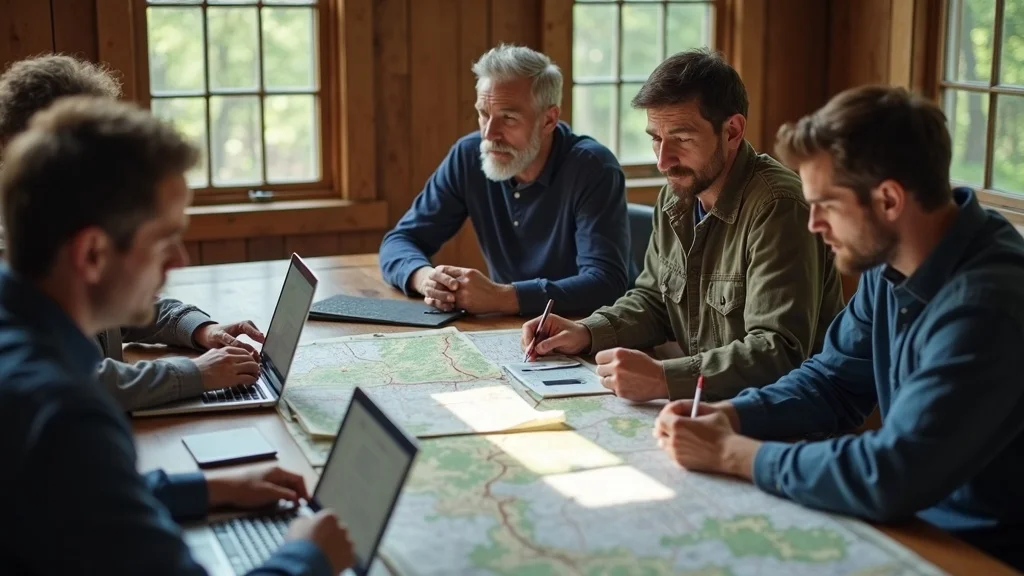 Before you start any project, from installing a tiny house to setting up storage units, it’s vital to complete your due diligence. This means reviewing zoning laws, confirming property lines and access, and understanding how local taxes will change once the land is developed or improved. Your county assessor or local planning department is a valuable resource for navigating these essentials.
Raw land may be subject to special tax programs or reduced rates in certain conservation or agricultural zones. Become familiar with the property tax process and be proactive about compliance. Doing so secures your investment and supports the well-being of your local community. Good planning now means fewer headaches later.
Navigating Land Sales and Arkansas Real Estate Market Trends
-
Trends in land for sale and what land investors seek
-
Tips for transparency and flexibility in the current real estate market
 The real estate market for undeveloped land in Arkansas is dynamic and participant-friendly. Recent trends highlight a consistent demand for recreational land, small acreage lots, and parcels ideal for tiny homes or sustainable living. Land sales remain a transparent process when buyers prioritize clear communication, review all documentation thoroughly, and seek flexibility in their usage goals.
Arkansas offers a diverse mix of options for both seasoned land investors and those new to land ownership. Whether you’re after passive enjoyment, active building, or conservation, look for sites with straightforward zoning, reliable access, and support from local experts. Approach each purchase with openness, and always remember: you’re not just buying dirt. You’re creating your next chapter.
Becoming an Arkansas Land Owner: Steps and Resources
-
Land ownership basics: title, access, surveys, and legal steps
-
Connecting with local agencies, land sales experts, and land investing support
Transitioning from a land explorer to a property owner in Arkansas involves a few key steps: reviewing title records, confirming legal access, ordering a land survey, and completing any required permits or paperwork. Begin your journey by reaching out to your local county office or a trusted real estate professional experienced with rural land and vacant lots. Resources like Arkansas Extension offices and local conservation groups can answer practical questions about stewardship, usage, and property tax incentives.
Stay informed, remain flexible, and take advantage of the transparent networks in Arkansas’s land sales and land investing community. The support you need is always nearby, ensuring your start as a land owner is both smooth and rewarding.
People Also Ask: Common Questions About Common Uses for Undeveloped Land in Arkansas
What to do with undeveloped land?
-
Explore uses like building tiny houses, sustainable homesteads, recreational land, conservation, or storage. Consider local zoning laws and land ownership goals.
What is the best use for unimproved land?
-
The best use depends on your goals: recreational land, farming, conservation, or alternative energy projects are top options explored by many Arkansas property owners.
What can vacant land be used for?
-
Vacant land can be agricultural, recreational, or a site for building tiny houses or storage. Arkansas’s rural areas support diverse land uses.
What can you do with vacant land to make money?
-
Options include leasing for agriculture or solar, developing RV parks, self-storage, or vacation rentals. Research Arkansas market trends and perform due diligence before starting any venture.
FAQs About Common Uses for Undeveloped Land in Arkansas
-
What’s the difference between raw land and vacant land?
Raw land is unaltered, without utilities or improvements; vacant land may have access or previous use but is currently undeveloped. -
Are there property tax breaks for conservation uses?
Yes, many counties offer tax incentives for land designated for conservation or habitat restoration. -
How do you check Arkansas zoning for a parcel?
Contact your county’s planning office or use their online GIS mapping tools for zoning details and restrictions. -
Is recreational land a good fit for first-time land owners?
Recreational land is often flexible and affordable, making it a popular entry point for new land owners seeking lifestyle or leisure opportunities. -
Where can you find due diligence resources in Arkansas?
Your local extension office, land use attorney, or the Arkansas Natural Resources Commission offers practical guides for new land buyers.
Key Takeaways: Maximizing Possibilities for Land in Arkansas
-
Arkansas’s undeveloped land offers flexibility for lifestyle, recreation, and stewardship.
-
Zoning laws and property taxes require due diligence. Research before any land investing.
-
Recreational, agricultural, and conservation uses dominate common uses for undeveloped land in Arkansas.
-
Land ownership offers a connection to nature, creative projects, and long-term potential.
-
Work with local experts and use transparent resources for stress-free land ownership.
Explore Your Options for Common Uses for Undeveloped Land in Arkansas
“Land in Arkansas is more than space. It’s opportunity, legacy, and a gateway to the outdoors.”
Ready to start your journey? View available properties at GovernmentAuction.com.