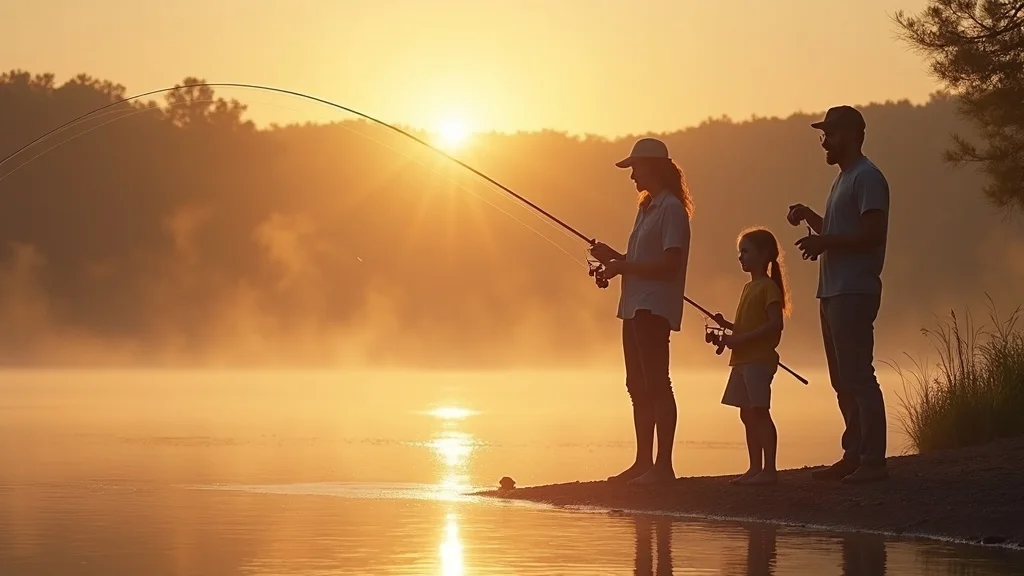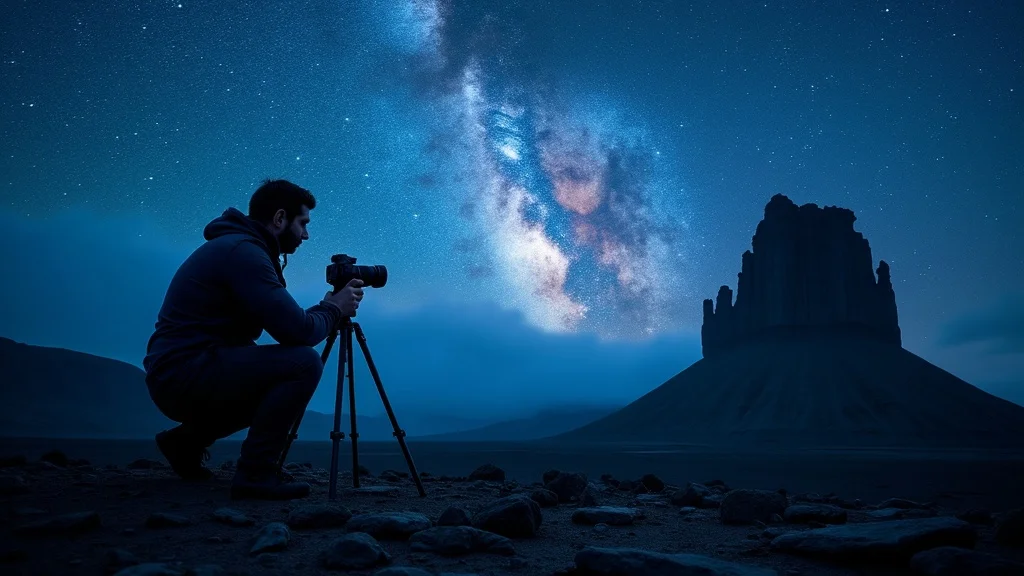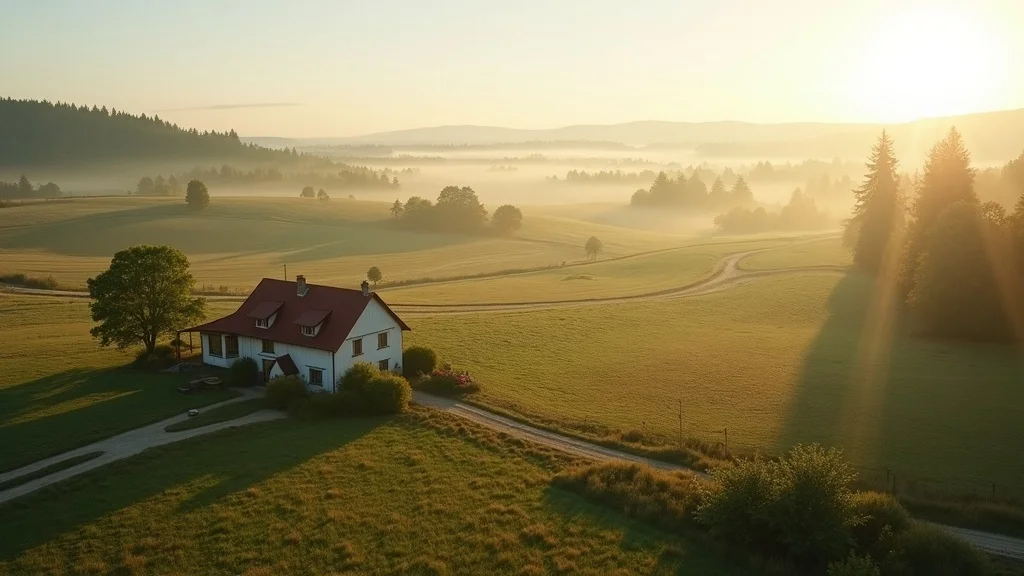
Undeveloped land for recreation is garnering unprecedented interest as people move away from crowded public parks and developed land facilities in search of peace, privacy, and space for new experiences. With growing demand for outdoor recreation, many prospective landowners and nature lovers are turning to rural areas, seeking vacant land with direct access to natural landscapes. Unlike developed land, which is often restricted by infrastructure and zoning regulations, raw land delivers unmatched opportunities to enjoy the outdoors, whether it’s hiking, mountain biking, horseback riding, or camping under open skies.
This surge toward raw land for outdoor recreation is not just about adventure; it’s about stewardship and investing in your future. In many regions, buying land, be it for personal retreats or communal outdoor recreation, remains relatively affordable, especially compared to developed properties. Vacant land is often easier to customize, and low property taxes can make land ownership more sustainable. The ability to generate income, preserve wildlife habitats, and keep your options open for future use further boosts the appeal of recreational raw land. As the movement grows, opportunities expand for everyone who wants to turn their land dreams into reality.
What You’ll Learn About Undeveloped Land for Recreation
-
Defining undeveloped and recreational land
-
Popular outdoor activities on raw land
-
Understanding public land vs private vacant land
-
Financing options, including land loans
-
Key benefits and important considerations when buying land
Understanding Undeveloped Land for Recreation: Definitions and Differences
What Does It Mean When Land Is for Recreational Use?
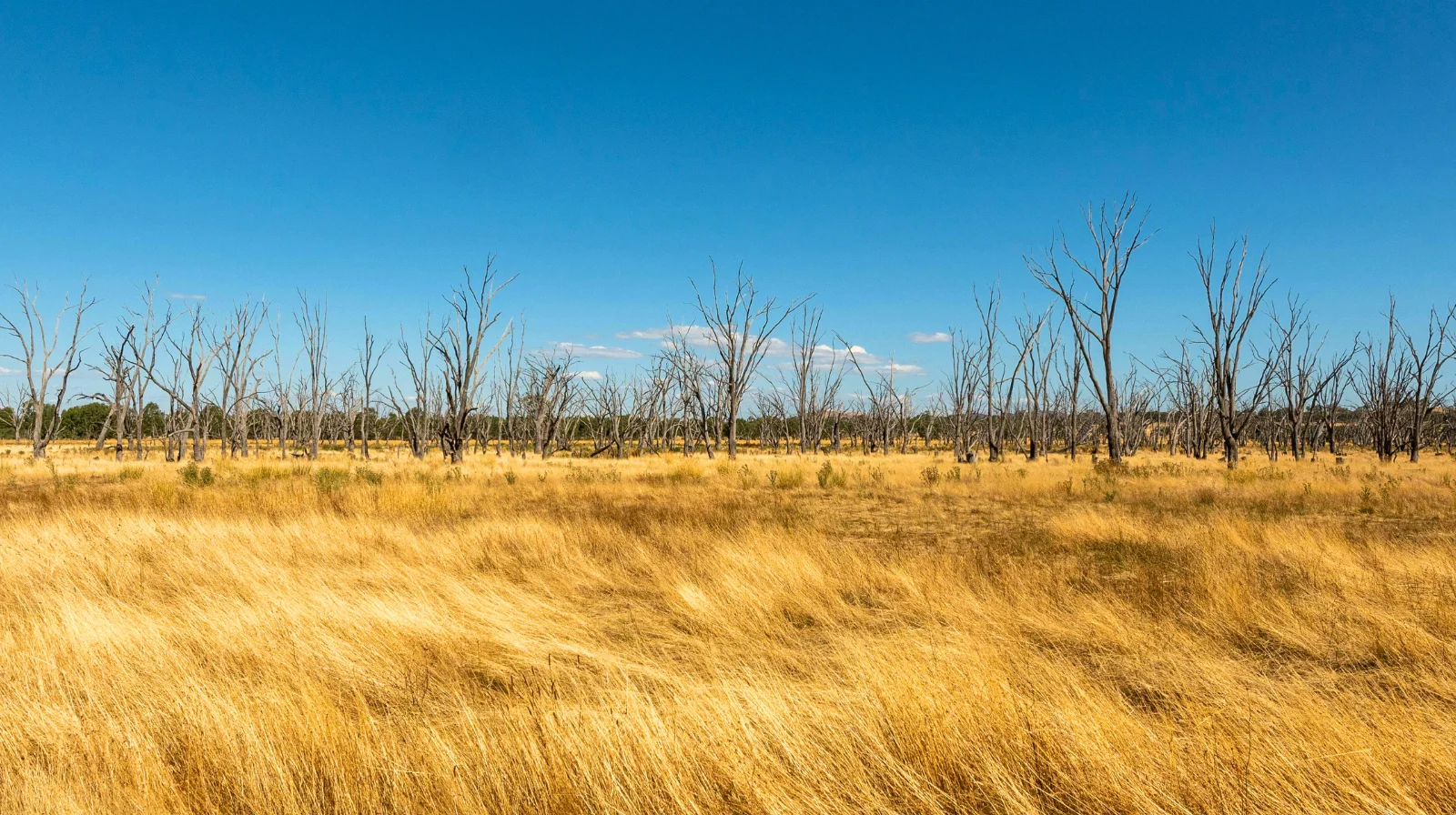
When we talk about undeveloped land for recreation, we mean land that is largely untouched by construction and infrastructure. Open meadows, wild forests, rolling hills, and pristine lakes primarily for outdoor recreation instead of housing or industry. Buyers and nature lovers often seek out these parcels for a wide array of uses, from hiking and camping to bird watching and off-roading. Recreational land is a popular alternative to developed land for those looking for unique or custom outdoor experiences. Local zoning laws typically determine whether a plot can be used for recreational activities, so checking with local authorities is a vital step when considering a purchase.
Unlike developed land or residential properties, which may have water, electricity, roads, and sewer lines, raw recreational land tends to be more primitive. There are no amenities, so visitors or owners can create their own adventure. The value of this type of vacant land frequently lies in its natural beauty, accessibility, and potential for a range of outdoor recreation opportunities. Whether it’s a weekend getaway or an investment in long-term conservation, recreational land serves many purposes and offers tremendous flexibility in land ownership.
Key Characteristics of Undeveloped and Recreational Land
Undeveloped land is often defined by what it lacks: roads, sewers, buildings, or electricity. Instead, it offers an abundance of nature: trees, water, wildlife, and open space. This lack of human alteration is precisely what makes these properties so attractive for those seeking a genuine escape or hoping to create a recreational retreat. The value of these parcels lies in local zoning regulations, which may permit camping, hiking, fishing, or hunting but restrict more permanent development or commercial use.
Many landowners find that raw land gives them the flexibility to enjoy the outdoors without the pressures of maintaining a traditional home or business. With lower property taxes than developed land, these parcels are sometimes easier to manage financially. As you explore the possibilities of vacant recreational land, always review the local zoning laws and consider the long-term potential and responsibilities of ownership in your chosen area.

Types of Undeveloped Land for Recreation: Public, Private, and More
Public Land vs Private Vacant Land Usage
|
Type |
Access |
Common Activities |
|
Public Land |
Open to the public, often managed by government agencies |
Hiking, camping, and fishing |
|
Private Vacant Land |
Requires owner permission |
Hunting, ATV use, and custom camping |
Understanding the distinction between public land and private vacant land is essential for anyone interested in undeveloped land for recreation. Public lands, such as national forests and state parks, are generally accessible to everyone and offer a range of outdoor recreation opportunities, from hiking to bird watching, often regulated and maintained by government agencies. These areas are ideal for those who don’t wish to buy land but want to enjoy the outdoors responsibly.
Private vacant land, on the other hand, requires explicit owner permission for use. This allows landowners to customize their recreational activities, such as ATVs, horseback riding, or exclusive hunting rights, without the restrictions or crowds of public spaces. Private landowners also have more control over the property’s use, maintenance, and conservation. Whether you’re attracted to the free access of public lands or the freedom of private ownership, each offers unique advantages for outdoor enthusiasts.
Developed Land vs Undeveloped Land for Outdoor Recreation
Developed land for recreation often features amenities like campgrounds, marked trails, restrooms, and even cabins, making it accessible and family-friendly. Some people enjoy the convenience of these services, with easy road access and reliable infrastructure. However, such facilities can draw larger crowds and may limit the variety of activities you’re allowed to pursue.
In contrast, undeveloped land welcomes those who crave authentic adventure and privacy. The lack of infrastructure can make your outdoor experiences feel more natural and rewarding, such as fishing on a secluded lake, blazing new trails, or simply resting in unspoiled environments. On vacant land, you set the rules and enjoy far greater freedom, provided you adhere to local zoning and conservation guidelines. Choosing between developed land and undeveloped land for outdoor recreation is largely a matter of personal preference and desired experience.
Top Outdoor Recreation Activities on Raw Land
-
Hiking and mountain biking
-
Horseback riding
-
Rock climbing
-
ATV and off-roading
-
Bird watching and wildlife observation
-
Seasonal activities (snowmobiling, cross-country skiing)
From active recreation to quiet moments in nature, the possibilities on raw land are virtually limitless. Hiking and mountain biking are favorites, given the natural terrain and diversity of landscapes. Horseback riding and rock climbing add unique challenges and views, while ATV and off-roading are perfect for those seeking a motorized adventure across meadows, woodlands, and rocky hills. For wildlife lovers, bird watching and seasonal activities such as snowmobiling or cross-country skiing in colder climates transform raw land into a year-round paradise.
No matter what your preferred way to enjoy outdoors is, raw vacant land can be tailored for your favorite pursuits. If you’re buying land for recreation, consider the terrain, road access, and natural features, such as water, forest, and elevation, as these directly impact the types of activities you can enjoy. Investing in raw land means investing in your next adventure and years of unforgettable moments outdoors.
Nature Conservation and Wildlife: The Ecological Value of Undeveloped Land
Wildlife Habitat and Biodiversity
-
Benefits for native flora and fauna
-
Supporting endangered species
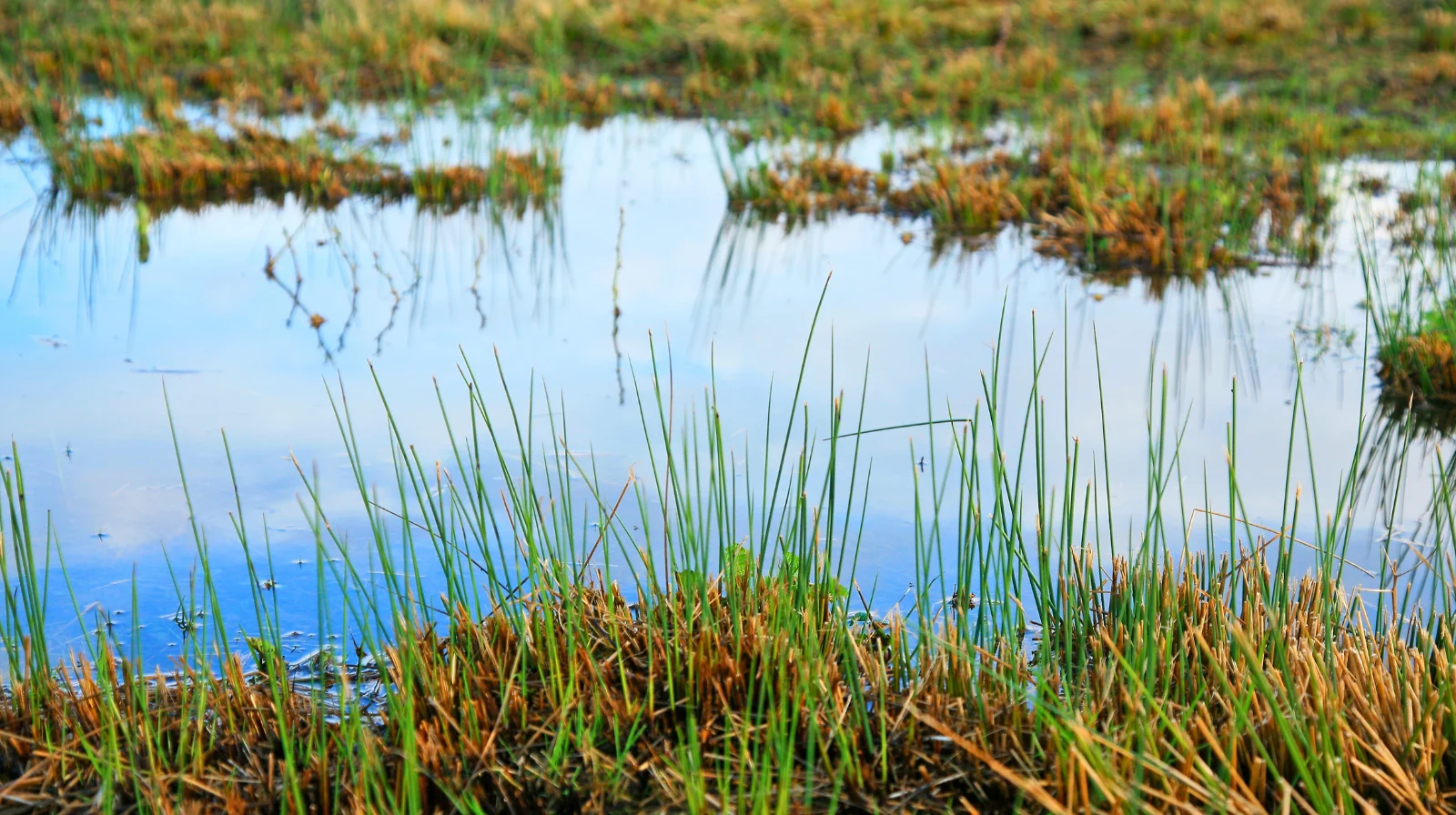
One of the greatest hidden values of undeveloped land for recreation lies in its role as a refuge for wildlife. These natural habitats, rich in native plants and untouched by development, support local ecosystems and allow endangered species the space to thrive. Responsible land stewardship on raw land preserves migration corridors for deer, nesting sites for birds, and undisturbed watersheds that sustain frogs, insects, and other crucial creatures. By protecting vacant land, you contribute to regional biodiversity and ecological health.
Even simple activities like bird watching, wildlife observation, or photography help raise awareness of conservation. Choosing to own or steward recreational land in rural areas is increasingly seen as both a privilege and a responsibility, a chance to support local flora and fauna directly. Stewardship means maintaining the balance between enjoyment and environmental preservation, ensuring that natural landscapes remain available for future generations.
Responsible Outdoor Recreation and Conservation Tips
Being a good steward of your land involves practicing responsible outdoor recreation. Always follow “leave no trace” principles, which include packing out all trash, minimizing campfire impacts, and avoiding disrupting wildlife and plants. Limiting off-road vehicle use to established paths, supporting native planting, and respecting zoning laws and environmental regulations are all part of smart land ownership. Careful observation of local wildlife without interfering with their routines helps ensure their continued presence and vitality.
Suppose you’re considering turning your vacant land into a conservation haven. Partner with local authorities or environmental groups for expert insights. In some cases, landowners may qualify for conservation easements, which protect land from development while still permitting certain recreational uses. Every effort helps preserve habitats and ensures future generations can also enjoy the outdoors.
Benefits of Owning Undeveloped Land for Recreation
-
Personalized access to outdoor activities
-
Investment potential
-
Adaptable for future use or resale
-
Low property taxes and ownership costs
Undeveloped recreational land ownership grants you personalized access to the outdoor activities you love. You decide how to shape your land, preserve habitats, or create unique experiences. Unlike developed properties, raw land is adaptable, a blank slate for future development, resale, or conservation. Many owners find that property taxes and overall costs are significantly lower than similar-sized developed lots. With smart stewardship, raw land can become both a recreational retreat and a wise long-term investment.
Enjoy the outdoors on your terms: hiking, camping, hunting, or simply unwinding in seclusion, far from the city noise. As rural areas gain popularity, owning vacant land may also appreciate over time, offering new opportunities to generate income or build your dream cabin down the road.
People Also Ask About Undeveloped Land for Recreation
What does it mean when land is for recreational use?
Land zoned for recreational use is primarily intended for outdoor activities such as camping, hiking, fishing, hunting, or wildlife observation. Unlike developed land meant for homes or businesses, this type of property retains a natural, unaltered landscape and is often protected by specific zoning regulations. Recreational land may lack infrastructure, but it offers exclusive opportunities to enjoy the outdoors your way.
What is the best use for undeveloped land?
The best use depends on your goals and the land’s natural features. Common uses include hiking, biking, camping, hunting, wildlife habitat preservation, and seasonal recreation (like snowmobiling or cross-country skiing). Some landowners develop small campsites or trails, while others maintain the land as a conservation area to support local flora and fauna. Researching zoning laws ensures your vision matches what’s legally allowed.
How hard is it to get a recreational land loan?
Securing a recreational or raw land loan can be more challenging than getting a traditional mortgage. Lenders usually require a larger down payment, higher interest rates, and have stricter terms due to the higher risk associated with properties lacking infrastructure. Thorough research and working with lenders experienced in rural land loans can increase your chances of approval.
Is it a good idea to buy undeveloped land?
Buying undeveloped land for recreation is a good idea if you value privacy, flexibility, outdoor experiences, and long-term investment potential. However, it’s crucial to consider factors like location, road access, zoning regulations, and financing requirements. For many buyers, the ability to enjoy the outdoors on their own land far outweighs the initial challenges and responsibilities.
Key Takeaways for Undeveloped Land for Recreation
-
Vast, raw, and vacant lands support a broad range of recreational activities.
-
Ownership requires careful planning, especially for loans and environmental compliance.
-
Ecological and personal benefits contribute to the rising interest in undeveloped land for recreation.
Start Your Search for Undeveloped Land for Recreation Today
If you’re ready to turn your outdoor dreams into reality, explore your options for undeveloped land for recreation now. Unleash your passion and discover the potential that raw land offers, whether you want an active lifestyle, a peaceful retreat, or a legacy of conservation. Happy adventuring!
Discover available properties, learn the process, and take your first confident step toward land ownership today. Your real estate adventure starts here!
Take action, get informed, and enjoy the benefits of open space. Undeveloped land auctions make it possible. See for yourself atGovernmentAuction.com.