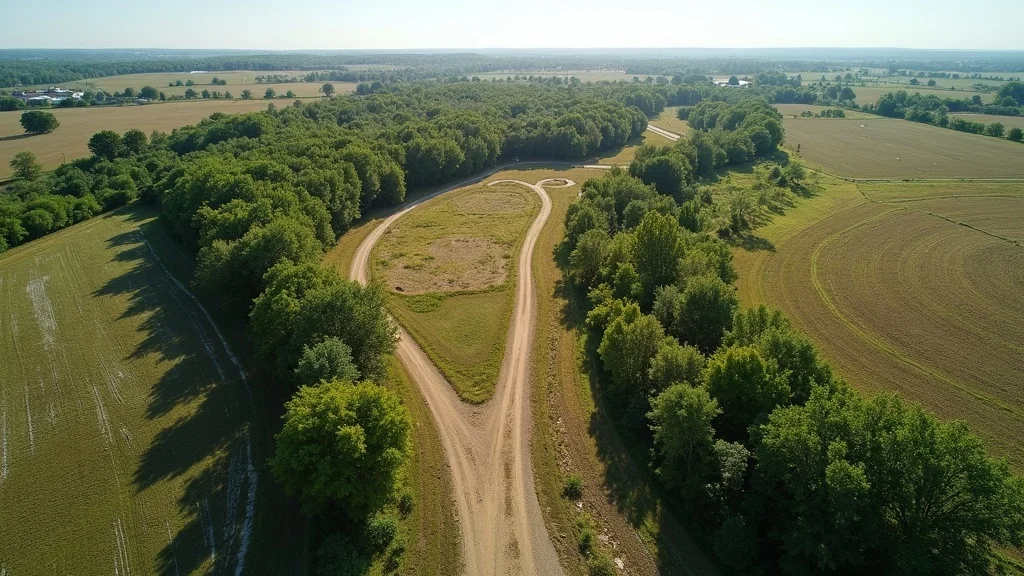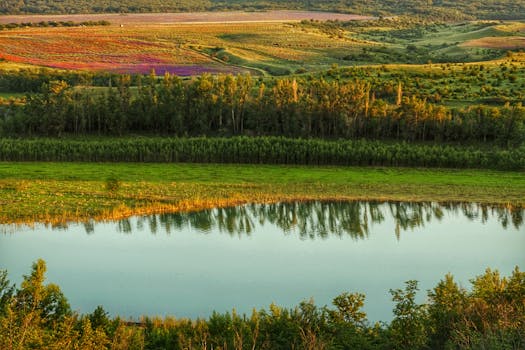
Private undeveloped land opens the door to new possibilities for everyday buyers, whether you crave open vistas, a future project space, or a chance to unplug.
People choose online land auctions for the excitement of bidding, equal access, and the unique blend of recreation and future-planning potential that undeveloped land offers. Lifestyle perks, quiet, cleaner air, and wide-open spaces, are matched by flexible options, from building a dream cabin to using your land as a private camping getaway. Now is the time to learn how land auctions work (it’s simpler than you think!). The result? Genuine ownership, open skies, and the pride of a real asset that supports your preferred pace of living.
What You’ll Learn
-
What private undeveloped land is, and why it’s accessible
-
The lifestyle benefits of natural, open spaces
-
How online auctions empower everyday buyers
-
Steps to confidently explore and purchase private undeveloped land
Why People Buy Land at Online Auctions
The appeal of purchasing private undeveloped land through online auctions is growing rapidly every year. Online auctions break down traditional barriers, allowing buyers from all walks of life, no matter their level of real estate expertise, to pursue land for recreation, investment, or simply as a personal haven. Where once only insiders or seasoned developers might have had access to these opportunities, anyone with curiosity and an internet connection can engage now.
One major draw is the sense of discovery. Each auction offers the chance to find raw land that fits your lifestyle: a wooded retreat for camping and family gatherings, a sprawling meadow for nature walks, or perhaps a tract with potential for an off-grid adventure. Many also enjoy the thrill of bidding, knowing they’re part of a transparent, fair process without needing to know complicated real estate rules. In many cases, buyers find that properties available at online auctions offer unique long-term opportunities, whether for eventual development, recreation, conservation, or simply as a blank canvas for outdoor hobbies.
Benefits of Owning Private Undeveloped Land
Owning private undeveloped land is about more than having a piece of the outdoors; it’s about flexibility and the enjoyment of wide-open space on your terms. Land buyers looking to create a lifestyle centered on outdoor recreation, immersion in nature, and a slower, more grounded pace, like that offered by undeveloped land. Unlike developed properties, raw or vacant land offers the greatest freedom: you can camp, hike, observe wildlife, or plan for future projects without the pressures of immediate development or urban constraints.
Research shows that time in natural environments supports general well-being, encouraging more active routines and clearer thinking. Outdoor settings are associated with cleaner air, especially in rural areas far from city chaos, and people often report feeling refreshed and energized after time spent on their land. For some, the greatest appeal is the flexibility; use it as a seasonal getaway, a site for a rustic cabin, or a family retreat. Others are proud of owning a real, tangible asset with lasting value. No matter your goal, private undeveloped land offers an adaptable, long-term resource.
-
Freedom to enjoy open spaces without immediate development
-
Research-backed benefits from time spent in nature
-
Cleaner air, natural surroundings, and active outdoor routines
-
Flexibility for cabins, retreats, or recreational use on private, undeveloped land
-
Long-term asset stability and personal pride of ownership
How Private Land Auctions Work
Understanding how private land auctions work is a must. Online auctions are an easy, friendly first step for anyone entering the world of undeveloped land ownership. The process is accessible: after registering, users can review available properties, participate in bidding, and follow clear steps to complete their purchase, all from their own home.
Unlike government or county tax auctions, private auctions often include land suited for recreation, rural retreats, or off-grid exploration. Both beginners and experienced buyers can navigate the process confidently, without needing a real estate agent or a background in real estate. It’s a practical, transparent way to acquire private undeveloped land, whether for present enjoyment or future use.
-
Role and benefits of platforms
-
Difference from government or public auctions
-
Transparent, accessible online process for all buyers
-
Steps to find, research, and register for private undeveloped land auctions
Smart Steps to Prepare Before You Bid on Private Undeveloped Land
A little preparation goes a long way when you’re considering buying undeveloped land online. Start by identifying your goals, are you looking for a recreational getaway, future retreat, or simply a long-term outdoor asset? Next, think about the general type of raw land that fits your vision.
Always focus on reputable auction providers with a track record of positive outcomes and transparent processes. This approach keeps your experience practical, enjoyable, and results-focused, just what off-grid or recreational buyers value most.
Financing Options for Private Undeveloped Land
When considering purchasing undeveloped or raw land, it’s practical to get familiar with typical land loan options. Unlike traditional home purchases, securing financing for undeveloped land offers some differences. Most lenders classify land into three categories: raw land (completely natural and without improvements), undeveloped land (may have some basic access, but lacks utilities), and developed land (equipped with infrastructure, utilities, or roads). Generally, loans for undeveloped land have different terms from those of regular mortgages. Success in purchasing undeveloped land rests on realistic expectations and a willingness to learn, qualities that make land buying fulfilling and accessible for most.
Types of Private Undeveloped Land Commonly Auctioned
Online auctions feature a wide range of private undeveloped land suited for nearly every kind of outdoor enthusiast. In rural areas, you’ll find raw land parcels with open meadows, excellent for hiking, camping, or as a family nature sanctuary. Wooded or forested properties lure those seeking privacy, opportunities for wildlife watching, or the classic cabin-in-the-woods dream. There are also open plains, off-grid tracts ideal for alternative home sites, and land perfect for setting up tents, RVs, or future cabins (subject to local zoning laws and access).
Understanding the distinction between undeveloped and developed land is key: undeveloped land is property without built infrastructure, while developed land has utilities, roads, or structures. The land offered at private online auctions often represents that exciting “blank canvas” scenario, ideal for recreation, nature retreats, or long-term holding until you’re ready for your next adventure.
Comparing Private Undeveloped Land vs Developed Land |
|
Feature |
Private Undeveloped Land |
Developed Land |
|---|---|---|
|
Initial Infrastructure |
Minimal (raw land) |
Utilities, structures, & roads |
|
Outdoor Lifestyle |
Maximum freedom, in its natural state |
Moderate |
|
Usage Flexibility |
Flexible |
More restrictions |
|
Preparation Required |
Parcel and usage dependent |
Prepped for building at least |
|
Cost to Improve |
Buyer’s responsibility |
Seller/builder handled |
People Also Ask Answers On Undeveloped Land
What is Undeveloped Land Called?
Undeveloped land is also “raw land.” This term describes property that remains in its natural state, unenhanced by infrastructure such as buildings, utilities, or paved roads. Raw land is primarily valued for its open space and flexibility, making it ideal for owners seeking to use the property for recreation, outdoor pursuits, or as a long-term asset. Private undeveloped land offers further distinction, since it’s owned privately (not by government or public entities) and isn’t prepped for building as developed land is.
Is It Worth Buying Undeveloped Land?
Buying private undeveloped land appeals to those seeking open space, long-term flexibility, and the opportunity to enjoy natural surroundings. While it requires thoughtful research and planning, private undeveloped land offers unique potential for recreation, off-grid use, and asset ownership. Many individuals value the sense of freedom and connection to nature.
What Do You Call Land That No One Owns?
In most regions, virtually all land has a legal owner, whether a private individual, a business, or a government agency. Land that appears “unclaimed” may be undeveloped or infrequently used, but private undeveloped land available at auction is legally owned and transferable.
Can You Build on Undeveloped Land?
Building on private undeveloped land depends on local regulations, zoning, infrastructure availability, and personal goals. Buyers are encouraged to carefully research these factors before planning any construction or development. Not all undeveloped land is suitable for immediate building; some may be ideal for recreation or future use only.

FAQs About Private Undeveloped Land and Online Auctions
How can I find reliable private undeveloped land auctions online?
Look for well-established platforms such as GovernmentAuction.com. Make sure the site is transparent, has clear buyer guides, and has positive reviews. Research their history and process before registering.
What kinds of land are typically offered in online auctions?
You’ll find a mix of rural, wooded, open meadow, and off-grid properties, with uses ranging from recreation and camping to long-term holding. Options vary by region and auction.
Do I need an estate agent to buy private, undeveloped land at auction?
No, most online auctions are designed for direct buyers. You may choose to consult with a professional, but it’s not required.
Is financing available for raw land and undeveloped parcels?
Financing options exist, but can differ from traditional home loans. Consider consulting real estate agents or lenders experienced in buying undeveloped land for the best information.
What should I consider before bidding on land for sale?
Always research local zoning, access, property descriptions, and your own goals. Use the buyer resources provided by the auction platform.
What is the difference between developed land and private undeveloped land?
Developed land includes paved roads, utilities, and possibly buildings. Private undeveloped land is typically a blank canvas, ideal for recreation or future use with greater flexibility.
Key Takeaways on Private Undeveloped Land Ownership
-
Private undeveloped land offers freedom, open space, and long-term investment potential.
-
Online auctions such as those on GovernmentAuction.com are accessible and buyer-friendly
-
Approaching purchases with research supported by lifestyle benefits yields the best results.
Ready to Explore Private Undeveloped Land? Start Your Online Journey Today
Embark on your pathway to open space and outdoor living by discovering private, undeveloped land through accessible, user-friendly online auctions. Start your journey with confidence, research your options, envision the lifestyle, and experience the pride of genuine land ownership.
Private undeveloped land empowers you to enjoy open space and plan for your future. With simple prep and the right platform, your off-grid journey is within reach. Government Auction is a great place to view and bid on undeveloped land lots.